Can Oxygen Training Improve Neurological Health?
Many conditions can affect your neurological health and cognitive functioning. Long COVID, concussion, infections, and other conditions can cause long-lasting, disruptive symptoms. People who experience these conditions may struggle with cloudy thinking, fatigue, memory issues, and other symptoms that impact their functioning and quality of life.
Holistic therapies can support your brain and body’s ability to heal, reduce physical discomfort, and improve cognitive functioning. Oxygen training is a complementary therapy that can increase blood oxygen levels, helping the body to recover after infection, injury, and other conditions.
Oxygen training is not only intended for people living with the effects of TBI, infection, or other conditions. This therapy can also help people enhance their athletic performance, experience quicker recovery times, and support improved overall health and well-being. People who engage in oxygen therapy typically experience a wide range of cognitive and physical improvements.
This article will explore the specific benefits of oxygen training for neurological health. You will learn about common forms of oxygen therapy and learn how to access this holistic therapy.
If someone in your life struggles with cognitive issues, dizziness, brain fog, or other neurological symptoms, find relief at The Hartman Center. Explore our holistic therapies, ask questions, or schedule an intake appointment by reaching out to our team today.
What is Oxygen Training?
Oxygen training is a holistic therapy that can improve symptoms of certain conditions or enhance physical and cognitive performance. This type of training involves performing light to moderate cardiovascular exercise while breathing air with a higher oxygen concentration (typically between 90 and 95%, compared to the standard 21% in normal room air). Breathing air with higher oxygen concentrations allows the body to absorb more oxygen and deliver it to the brain, muscles, and other tissues more effectively.
Some forms of oxygen training involve participants breathing higher concentrations of oxygen throughout the sessions, while others implement alternating high and low-oxygen concentrations. Research suggests that alternating high and low concentrated oxygen levels may allow for better absorption and longer-lasting increases in blood oxygen concentration.
Like all medical and holistic therapies, it is critical to work with a knowledgeable provider when choosing care. Contact the specialists at The Hartman Center to discuss oxygen training and find a treatment that best meets your needs.
What Conditions Can Oxygen Training Improve?
Low blood oxygen levels can affect your mental and physical health in various ways. Many conditions and symptoms are associated with oxygen deficiency.
Here is a quick overview of some symptoms associated with low blood oxygen levels.
Weakness
Loss of muscle strength, flexibility, or functioning isn’t just part of normal aging. It can also be a sign of low oxygen levels related to circulation issues or other conditions. Oxygen training enhances blood oxygen levels, allowing the body to replenish weak muscles with richly oxygenated blood. Over time, this can increase the strength and vitality of the muscles throughout the body.
Athletes of all ages and abilities can benefit from oxygen training. Those who simply want to improve daily functioning and strength may benefit from this enriching therapy.
Muscle pain
Muscle pain can develop during intense training or athletic performance, or simply be related to daily living. Painful, stiff, or tight muscles can prevent people from reaching their athletic potential— or simply from living their lives in comfort.
Oxygen training increases blood oxygen levels quickly, allowing more oxygen to saturate sore or overused muscles. The result is quicker recovery, enhanced strength, and noticeable improvements in functioning.
Slow recovery
Aging, overuse, or new movements can increase the risk of aches, pain, and stiffness throughout the body. Recovery can be slow and painful, which may impact your daily functioning and quality of life.
Oxygen therapy can improve comfort and accelerate recovery by increasing blood oxygen levels. People may notice shorter recovery times, reduced pain, and greater flexibility after participating in oxygen therapy.
Weight gain
Many people view weight gain as part of normal aging or a natural response to life events. Struggling to avoid weight gain or lose weight is common for millions of people in the United States.
Some research suggests that increasing a person’s blood oxygen levels can help them lose weight. Early studies show that oxygen therapies may impact energy expenditure and metabolism.
While more research is needed to establish a link between oxygen training and enhanced weight loss, this therapy may help people maintain activity levels and recover faster during training, potentially improving weight and body composition.
Fatigue
Fatigue can occur for many reasons. Illness, excessive exercise, infections, TBI, and other conditions may deplete people's energy and leave them feeling sluggish throughout the day. In some cases, low blood oxygen levels may be to blame for excessive fatigue.
Oxygen training has been shown to reduce fatigue by increasing blood oxygen levels. More oxygen in the blood means more oxygen can reach the brain, muscles, organs, and other tissues. The result is better functioning throughout the body and more energy throughout the day.
Circulation issues
Issues affecting the heart, veins, and other blood vessels can reduce your circulation system’s efficiency. Reduced efficiency can result in a lack of adequate oxygen to the brain and throughout the body, which can cause a range of disruptive (and sometimes dangerous) symptoms.
Oxygen training can help to mitigate some of the harmful effects of poor circulation. This therapy raises blood oxygen levels, allowing the muscles, brain, and other tissues to receive more oxygen. This can reduce symptoms of poor circulation and supports the body’s natural ability to heal.
Cognitive issues
Brain fog, dizziness, memory issues, poor concentration, and other cognitive symptoms can be related to low blood oxygen levels. Enhancing blood oxygen levels through oxygen training therapies can reduce these symptoms and enhance cognitive functioning.
Oxygen training is a non-invasive, accessible therapy that can offer a range of benefits for people with physical or cognitive symptoms related to low blood oxygen levels. Contact The Hartman Center to learn more about this form of therapy or to explore any of our holistic health programs.
How Oxygen Training Can Improve Neurological Health
Research shows that increasing blood oxygen levels can have a significant impact on neurological health and cognitive functioning. These effects can be measurable among people who have experienced stroke or TBI, as well as those living with the long-term effects of COVID, infections, concussion, and other conditions.
Here is an overview of how oxygen training can improve neurological health.
Improved oxygen delivery
Oxygen training increases the concentration of oxygen in the blood. When the blood is more richly oxygenated, more oxygen reaches the brain, allowing it to function, grow, and heal more effectively.
Increased neurotransmitter production
Oxygen allows the brain to produce neurotransmitters, the chemical messengers of the brain. Increased neurotransmitter production means the brain can transmit signals between nerve cells more effectively. People can experience clearer thinking, better memory, and other cognitive benefits as a result of higher blood oxygen levels.
Reduced Inflammation
Inflammation can affect the brain’s health, leading to memory issues, brain fog, and more serious conditions, including Parkinson’s disease and Alzheimer’s. Increasing the brain’s oxygen levels can reduce inflammation and guard against both short and long-term cognitive conditions.
Better blood flow and metabolism
The brain needs a steady supply of nutrients and oxygen to avoid damage and perform optimally. Enhancing blood oxygen levels using oxygen training therapies provides the brain with more of what it needs to function most effectively and stay healthy.
Live O2 and other oxygen therapies can have a significant and long-lasting effect on your neurological health. Contact The Hartman Center specialists to learn more about oxygen training or to explore our other programs.
What is Live O2 Therapy?
There are many forms of oxygen training therapies that can increase blood oxygen levels. Live O2 therapy is an accessible, highly effective form of oxygen therapy. This holistic therapy involves performing brief periods of moderate exercise while alternately breathing saturated oxygen and normal room air.
Live O2 uses a comfortable, innovative process that enables more people to experience the benefits of higher blood oxygen levels. Sessions are typically short, lasting only 15 minutes, and treatment can be adapted to accommodate a wide range of needs and abilities.
Live O2 therapy has been shown to be effective in reducing a wide range of symptoms, including:
- Brain fog
- Headaches
- Chronic pain
- Dizziness
- Sleep issues
- Post-concussion syndrome
- Coordination and balance issues
- Breathing problems
- Migraines
Holistic practitioners may use Live O2 therapy to relieve these and other symptoms related to TBI, infections, mental health conditions, sleep disorders, and other conditions. They may also implement this holistic therapy to enhance cognitive functioning, athletic performance, and daily functioning in people without other diagnoses or conditions.
The Benefits of Live O2 Oxygen Training
Increasing blood oxygen levels can have a range of physical and neurological benefits, including:
- Improvements in balance and coordination
- Faster recovery time
- Deeper, more restorative sleep
- Clearer thinking
- Better memory
- Improved ability to sustain focus and concentration
- Improved immunity
- Reduced pain
- Less inflammation
- More energy
Live O2 is a highly accessible form of oxygen training that does not require pressurize chambers or long treatment periods. Participants can receive this convenient and comfortable form of treatment in an outpatient setting, including clinics or private offices. Sessions are short, and people typically require minimal to no downtime after receiving treatment.
Find Live O2 Therapy
If you or someone you love struggles with cognitive or physical symptoms of low blood oxygen, you do not have to accept them as your “new normal.” Find relief from these symptoms by participating in Live O2 therapy at The Hartman Center.
Explore our holistic therapies, get answers to your questions, or schedule your first appointment by contacting our team today. We look forward to joining you on your journey to better health and well-being.
Live O2 Therapy vs Hyperbaric Oxygen Therapy
Many conditions, including concussion and traumatic brain injury (TBI), can affect how your brain and body function. Brain injuries, infections, mental health disorders, and other conditions can have a profound impact on your functioning and general well-being.
Holistic therapies can help support the body’s healing process and provide benefits throughout the treatment and recovery process for many conditions. Live O2 therapy and hyperbaric oxygen therapy are two holistic treatments that can improve people’s functioning after medical conditions or injuries.
This article will explore the similarities and differences between Live O2 therapy and hyperbaric oxygen therapy. You’ll learn how these therapies work, when they’re used, and their benefits.
If you or someone you love struggles with brain fog, dizziness, cognitive deficits, or other symptoms related to long COVID or TBI, you are not alone. Effective treatment and support are available at The Hartman Center. Contact our intake team to learn more about our holistic approach to wellness or to schedule an appointment.
What is Live O2 Therapy?
Live O2 therapy is a holistic treatment that can raise blood oxygen levels. Live O2 therapy sessions involve performing light exercise while breathing saturated oxygen. The Live O2 process can significantly increase blood oxygen levels, with some research showing 433% increases in blood oxygen absorption.
Many health experts and medical practitioners believe that oxygen levels in the blood can have an impact on a person’s immune system and ability to heal. Increasing blood oxygen levels may positively affect a person’s ability to recover after brain injury, illness, or another condition.
Live O2 therapy can be adapted to meet a wide range of needs. Sessions typically last only 15 minutes, and exercises can be tailored to people’s varying fitness levels or preferences.
What is Live O2 Therapy Used For?
Medical and holistic health practitioners believe that higher blood oxygen concentrations can benefit a range of health conditions. Increasing blood oxygen saturation may promote faster healing and increase functioning for people living with:
- Headaches
- Brain fog
- Migraines
- Sleep problems
- Post-concussion syndrome
- Balance and coordination issues
- Breathing problems
- Chronic pain
- Traumatic brain injury (TBI)
Increasing the saturation of oxygen in the blood can result in better cellular growth and performance, resulting in better healing and improved health outcomes. Some of the most commonly reported benefits of Live O2 therapy include:
- Cognitive improvements, including better focus and clearer thinking
- Improved coordination and balance
- Less pain
- Improved sleep quality
- Improved immunity
Health experts believe increasing oxygen levels throughout the body can reduce inflammation and increase energy. These effects can support healing and promote overall well-being.
Holistic health practitioners may offer Live O2 therapy to people struggling with tissue damage, nerve issues, or symptoms of inflammation. People may participate in Live O2 therapy as part of a wellness treatment plan or independently to address specific symptoms.
What to Expect During Live O2 Therapy
Unlike hyperbaric oxygen therapy, Live O2 therapy can occur in various settings, including outpatient clinics and private offices. It does not require a special pressurized chamber, allowing greater access and ease of use.
During sessions, people wear comfortable clothing of their choice. They wear a mask attached to a reservoir containing two pouches. One pouch contains 95% pure oxygen, and the other contains high-altitude air.
Before the session begins, the medical staff will attach heart rate and blood oxygen monitors to assess the therapy’s effects. People then start to ride the recumbent bike, alternating from low to high intensity. These fluctuations allow the body to pull in more oxygen.
The practitioner administering the therapy will advise each patient on how to manage aftercare and when to come in for treatment. Generally, people may be advised to stay hydrated and eat well between Live O2 sessions.
Many people feel the positive effects of Live O2 therapy right away. They may notice improvements in their sleep, energy levels, and ability to focus.
What is Hyperbaric Oxygen Therapy?
Hyperbaric oxygen therapy involves breathing pure oxygen in a controlled, pressurized environment. This form of therapy has been used for many years to counteract the effects of decompression sickness resulting from scuba diving. Medical specialists may also use it to treat a range of other conditions, including:
- Air bubbles inside of blood vessels
- Wounds that resist healing due to radiation injury or diabetes
- Severe infections
The air pressure inside a hyperbaric oxygen chamber is two to three times higher than normal air pressure. This allows the lungs to absorb significantly more oxygen than they can at normal pressure levels.
Taking in more oxygen can help the body fight bacteria more effectively. It also prompts the body to heal by increasing the production of stem cells and growth factors.
What is Hyperbaric Oxygen Therapy Used For?
Doctors and other medical professionals may advise their patients to use hyperbaric oxygen therapy for various medical conditions involving tissue damage or infection. Some of the conditions that may respond well to hyperbaric oxygen therapy include:
- Brain abscess
- Air bubbles in the blood vessels
- Wounds that will not heal effectively on their own as a result of diabetes or other conditions
- Crushing injuries
- Gangrene
- Radiation injuries
- Sudden vision loss
- Skin grafts
- Burns
- Carbon monoxide poisoning
- Skin or bone infections that cause the death of bodily tissues
- Sudden deafness
- Decompression sickness after scuba diving
Bodily tissues require oxygen to function correctly. Tissue injuries require higher levels of oxygen to survive and heal. Increasing the amount of oxygen in the body’s bloodstream can increase the body’s ability to heal itself.
Repeated hyperbaric oxygen therapy sessions can result in temporary high oxygen levels. Even after treatment, oxygen levels in damaged tissue may remain at a normal level.
What are the Risks of Hyperbaric Oxygen Therapy?
Most medical professionals agree that hyperbaric oxygen therapy is safe. While complications are generally rare, there are some risks associated with this therapy.
Potential risks of hyperbaric oxygen therapy include:
- Temporary changes to eye lenses that may result in myopia (nearsightedness)
- Oxygen toxicity in the central nervous system (CNS) that may cause seizures
- Low blood sugar in people with insulin-controlled diabetes
- Ruptured eardrum, leaking fluids, and other middle ear injuries caused by air pressure changes
- Barotrauma (lung collapse) caused by changes in air pressure
In addition to these risks to the people participating in hyperbaric oxygen therapy, there is also a small fire risk due to the high oxygen levels inside the treatment chamber.
What to Expect During Hyperbaric Oxygen Therapy
Typically, hyperbaric oxygen therapy sessions occur in an outpatient clinic setting. However, some people may participate in this therapy during hospitalization for other conditions.
Before participating in hyperbaric oxygen therapy, you will change into scrubs or a hospital gown. You may be required to remove all petroleum-based hair and skin care products to reduce the risk of fire. You will also be required to leave behind all battery-powered devices, including mobile phones.
You may complete a therapy session in a chamber designed for one person or in a chamber that accommodates several people. You may lie down or sit during treatment. Oxygen may be administered through a mask or a transparent hood worn over your head.
During a therapy session, you may experience a feeling of fullness or pressure in the ears. This can be uncomfortable, but you may be able to reduce your discomfort by swallowing or yawning.
Generally, hyperbaric oxygen therapy sessions last about two hours. Some people report feeling hungry or drowsy after completing a therapy session. People typically attend several or many sessions, depending on their condition and needs.
Live O2 Therapy vs. Hyperbaric Oxygen Therapy: Which is Right For You?
While hyperbaric oxygen therapy and Live O2 therapy both increase blood oxygen levels, there are some critical differences between these therapies. Understanding these differences can help you make informed decisions about your health treatment.
Effectiveness
Research shows that Live O2’s innovative process increases blood oxygen levels more effectively and for longer periods than hyperbaric oxygen therapy. The Live O2 process creates force within the body, resulting in the body pulling in more oxygen. It also decreases the risk of problems related to being in a pressurized environment.
Customization
Live O2 therapy is customizable, allowing people with different fitness levels, conditions, and abilities to benefit from it. Hyperbaric oxygen therapy relies on a one-size-fits-all approach that may not be right for everyone.
Treatment time
There are some significant differences between the treatment times for Live O2 therapy and hyperbaric oxygen therapy. Live O2 therapy sessions take around 15 minutes and are typically several days apart. Hyperbaric oxygen therapy sessions are usually an hour or more, and people must attend sessions on most or all days of the week to see benefits.
Overall treatment experience
Hyperbaric oxygen therapy can cause unwanted side effects. People may feel claustrophobic during treatment sessions and experience discomfort related to air pressure changes. They may also have ear pain or discomfort throughout each therapy session and feel tired afterward.
Live O2 therapy sessions do not require spending time in an enclosed chamber. People remain comfortable throughout treatment without experiencing effects related to air pressure changes. Many participants report feeling energized for hours or days after a therapy session.
Live O2 therapy provides a comfortable, accessible treatment option for most people. Participating in this type of therapy can have significant benefits for a person’s health, healing, and overall well-being.
Find Live O2 Therapy
If pain, dizziness, brain fog, or other symptoms are part of your everyday life after concussion or TBI, you don’t have to simply put up with feeling this way. Learn more about LiveO2 therapy by contacting the specialists at The Hartman Center. Explore how LiveO2 and our other holistic therapies can help you work toward a lifetime of health and wellness.
What is the Difference in Treatment Between Mild and Severe Brain Injuries?
Brain injuries can occur when a person suffers a blow or jolt to the head or when a foreign object, such as a bone fragment or bullet, enters the brain tissue. People may sustain brain injuries during car accidents or physical altercations, while playing sports, and many other circumstances.
Brain injuries are typically categorized as mild, moderate, or severe. The severity of a brain injury is the most significant factor in determining what impact the injury will have on a person and the level of impairment they may experience.
This article will explore the differences between mild and severe brain injuries. We’ll discuss how these injuries can occur, how they affect people, and what type of treatment is required. If you or someone in your life has sustained a brain injury, reach out to the Hartman Center specialists now to learn about our effective brain injury treatment programs.
Assessing a Brain Injury
Medical professionals use a 15-point test called the Glasgow Coma Scale to determine the initial severity of a person’s brain injury. If you witness an accident or other event likely to cause a head injury, you may be able to provide helpful information for the person’s medical staff.
This may include:
- How the injury occurred
- If the person lost consciousness and for how long
- Symptoms you noticed after the injury, such as loss of coordination, alertness, or ability to speak
- Where on the head or body the person was struck
This information can help medical professionals assess the severity of a brain injury and provide accurate treatment.
Doctors may also use imaging tests to observe physical damage in the brain or measure the brain’s swelling using an intracranial pressure monitor. Understanding how an injury occurred and its severity is critical in preventing further damage and treating it correctly.
Understanding Mild Brain Injuries
People with traumatic brain injuries can exhibit a wide range of physical and psychological symptoms. The severity of the brain injury often determines the intensity of a person’s symptoms, the type of symptoms they experience, and their ability to regain functioning.
The physical symptoms of a mild brain injury include:
- Fatigue
- Drowsiness
- Speech problems
- Headache
- Loss of balance
- Dizziness
- Nausea
- Vomiting
People who sustain a mild brain injury may experience sensory symptoms, such as:
- Blurred vision
- Ringing in the ears
- Bad taste in the mouth
- Changes in their sense of smell
Mild brain injuries can also cause cognitive and behavioral symptoms, including:
- Feeling dazed, disoriented, or confused
- Depression
- Anxiety
- Changes in sleep patterns–sleeping more than usual or finding it difficult to sleep well
- Problems with memory and concentration
- Mood swings
Typically, a mild brain injury does not cause more than a very brief loss of consciousness–a few seconds up to several minutes.
Understanding Severe Brain Injuries
People who sustain severe brain injuries may experience many of the symptoms common in mild brain injuries but will typically develop additional symptoms within a few hours or days after the head injury occurs.
- Physical symptoms of a severe brain injury include:
- Loss of consciousness for longer periods–several minutes to hours
- Long-lasting headache or a headache that gets worse over time
- Ongoing nausea or vomiting
- Seizures or convulsions
- One or both pupils become dilated
- Clear fluid leaking from nose or ears
- Numbness or weakness in fingers and toes
- Loss of coordination
- Difficult to awaken from sleep
People who sustain a severe brain injury may exhibit cognitive and mental symptoms, including:
- Agitation, aggression, and other unusual or erratic behaviors
- Slurred speech
- Significant confusion
- Coma or loss of consciousness
Children who sustain a brain injury may not be able to communicate their symptoms clearly. Caregivers must watch for physical and behavioral symptoms that indicate a brain injury, such as:
- Changes in appetite or eating/nursing
- Excessive irritability
- Inability to be consoled or excessive crying
- Difference in ability to sustain attention
- Changes in sleep habits
- Seizures
- Exhibiting depressive symptoms
- Drowsiness
- Lack of interest in activities or toys they like
If your child receives a blow to the head by falling, being struck with an object, or in another way, consult your pediatrician. Seek emergency medical care if your child shows symptoms of a brain injury.
Treatment for Mild Brain Injuries
Even though a brain injury may be considered “mild,” it is still a serious injury that requires timely medical attention, diagnosis, and treatment.
Treatment for mild brain injuries typically includes plenty of rest and time away from work or school. People may also take over-the-counter pain relievers if they have a headache. Medical professionals often advise patients with mild brain injuries to limit physical and cognitive activities for several days to allow the brain time to heal.
It is crucial to monitor people with mild brain injuries and be alert for new or worsening symptoms that could indicate the injury is not healing or getting worse. The person who sustained the mild brain injury must consult their doctor before gradually returning to their regular activities.
Treatment for Severe Brain Injuries
A severe brain injury is a medical emergency. When responding to a severe head injury, medical providers will ensure the person has adequate blood supply and oxygen levels. They will take care to avoid further injury to the person’s head and neck. They will provide treatment to reduce swelling and bleeding in the brain.
People with severe brain injuries may require medications to stabilize them and minimize further damage, such as:
- Anti-seizure drugs
- Diuretics
- Coma-inducing drugs
People may also require surgery to remove clots, reduce swelling, repair fractures, and address bleeding in the brain.
Once a person has been stabilized, they may require days, weeks, or even longer to heal. Rehabilitation and brain injury treatment are critical aspects of long-term healing after a severe brain injury.
A brain injury treatment program can help people learn coping skills, improve memory, restore physical and cognitive functioning, and address many of the long-term symptoms after sustaining a brain injury.
Find Brain Injury Treatment in Oradel Now
If you or someone you love has sustained a brain injury and you need brain injury treatment Oradel, contact the Hartman Center now. Our treatment programs can help you restore functioning, improve memory, and feel better after a brain injury occurs. Learn the skills you need and get the support you deserve by calling us now.
What Are the Common Therapies Used in Brain Injury Treatment?
Brain injuries can have a profound impact on an individual's life, affecting their cognitive, physical, and emotional well-being. The Hartman Center in Midland Park is a leading center specializing in brain injury treatment. In this article, we will delve into the common therapies employed at The Hartman Center and how they contribute to maximizing recovery and improving the quality of life for individuals with brain injuries.
Physical Therapy
Physical therapy is a fundamental aspect of brain injury treatment that focuses on restoring mobility, balance, and coordination. At The Hartman Center, highly trained therapists use a range of techniques, such as therapeutic exercises, gait training, and specialized equipment, to help patients regain strength and function in affected areas. The goal is not only to enhance physical abilities but also to promote overall well-being and independence.
Cognitive Rehabilitation
Cognitive rehabilitation is a crucial component of brain injury treatment that targets deficits in memory, attention, problem-solving, and other cognitive functions. The experts at The Hartman Center employ evidence-based techniques to assist patients in regaining cognitive abilities and developing compensatory strategies. These techniques may include structured cognitive exercises and real-life simulations. By improving cognitive skills, individuals can enhance their overall functioning and regain independence in their daily lives.
Psychological and Emotional Support
Brain injuries often give rise to psychological and emotional challenges, including depression, anxiety, and difficulties with adjustment. The Hartman Center acknowledges the significance of providing comprehensive support in this aspect of treatment. Their team of counselors offer individual and group therapy sessions to address emotional well-being, coping strategies, and adjustment to life changes. By addressing these challenges, individuals with brain injuries can enhance their overall psychological resilience and regain a positive outlook on life.
Comprehensive Care and Innovative Approaches
Brain injury treatment requires a multidisciplinary approach to address the diverse challenges individuals face. The Hartman Center exemplifies their commitment to providing comprehensive care through a range of therapies, including physical therapy, cognitive rehabilitation, and emotional support. Through these innovative approaches they strive to maximize recovery, improve functional abilities, and enhance the overall well-being of individuals with brain injuries.
In conclusion, the therapies utilized in brain injury treatment play a vital role in restoring physical, cognitive, and emotional well-being for individuals affected by brain injuries. By employing physical therapy, cognitive rehabilitation, and providing emotional support, The Hartman Center aims to enhance recovery, improve functionality, and promote independence. With their multidisciplinary approach and innovative techniques, The Hartman Center serves as a beacon of hope for those seeking effective brain injury treatment.
If you or a loved one is seeking brain injury treatment, our experts at The Hartman Center can help you explore therapies that can provide a solid foundation for the journey toward rehabilitation and recovery.
Top 10 Best Functional Neurology Books to Read
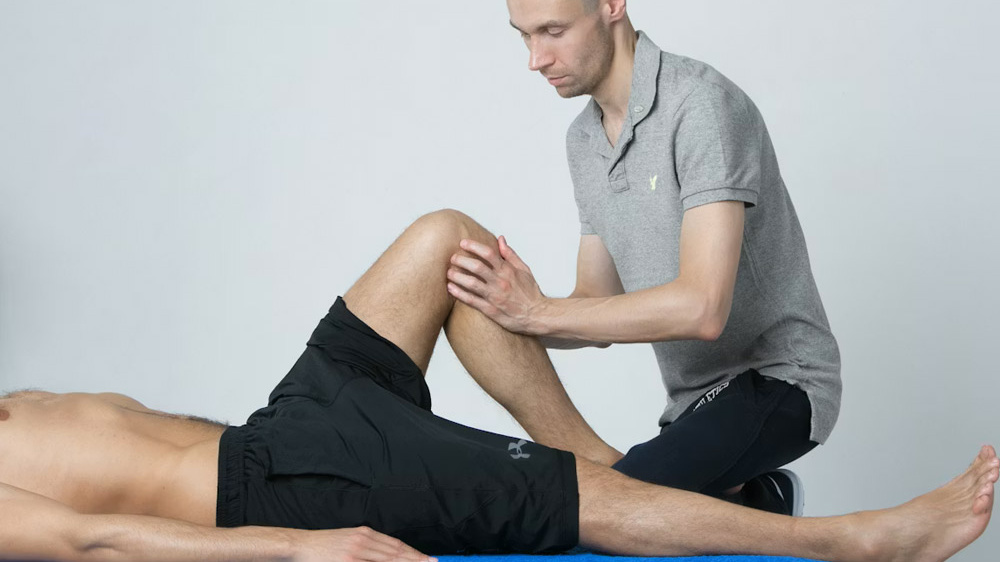
Functional neurology, also referred to as chiropractic neurology, is at the forefront of evidence-based treatments specializing in the remediation of cognitive dysfunction caused by brain-related injury and trauma. This specialty within chiropractic has made great advances through the collaboration of science-based programs, board-certified clinicians, and survivors of traumatic brain injuries.
One foundational method of functional neurology is neuroplasticity, a breakthrough that has revealed the brain’s ability to change its structure and function throughout life and after injury. Traumatic brain injury patients can experience improved cognitive function with assistance from functional neurology specialists at a Functional Neurology Center like The Hartman Center.
Take a look at our top ten functional neurology books below to learn more about how this type of treatment can help heal your brain, body, and mind.
The Mind-Gut Connection: How the Hidden Conversation Within Our Bodies Impacts Our Mood, Our Choices, and Our Overall Health
The Mind-Gut Connection by Emeran Mayer gives readers a practical guide to the biological connection between our brains and bodies. This book highlights the important link of the “gut feeling” and the neuroscience behind how our emotions — particularly our stressful ones — communicate with the rest of the body. Receive important insight into balancing your microbiome, preventing brain fog and fatigue, and healing both your mind and gut.
The Gut-Immune Connection: How Understanding the Connection Between Food and Immunity Can Help Us Regain Our Health
Explore key observations into both neurological and physical health with The Gut-Immune Connection. Emeran Mayer dives further into the connection and communication of the gut-microbiome to both the neurological and immune systems. Read up on strategies for how to reduce illness and improve nutrition while supporting your microbiome.
Why Isn't My Brain Working?: A Revolutionary Understanding of Brain Decline and Effective Strategies to Recover Your Brain's Health
For those struggling with memory and concentration issues, brain fog, poor focus, and more, Why Isn’t My Brain Working? by Dr. Datis Kharrazian focuses on neurological resources and strategies for brain health. Learn effective, applicable solutions to assist cognitive function and improve your quality of life.
The Brain That Changes Itself: Stories of Personal Triumph from the Frontiers of Brain Science
Norman Doidge, a psychiatrist and psychoanalyst, brilliantly compiles stories of success in the functional neurology field. Readers get an introduction to neuroplasticity and an overview of remarkable stories of neuroscientists and patients they’ve assisted.
The Brain's Way of Healing: Remarkable Discoveries and Recoveries from the Frontiers of Neuroplasticity
For those looking to gain more insight into neuroplasticity, Norman Doidge provides an introductory lesson with real-life examples. The Brain’s Way of Healing features specific cases of chronically-ill and brain-injury patients who found healing through recovery practices of functional neurology and neuroplasticity.
The Whole-Brain Child: 12 Revolutionary Strategies to Nurture Your Child's Developing Mind
Adults aren’t the only ones who struggle with neurological and cognitive issues. Help your child connect the processes of their mind and emotions with The Whole-Brain Child by Daniel J. Siegel and Tina Payne Bryson. Stimulate healthy emotional and intellectual development with these practical insights and applications.
Making up the Mind: How the Brain Creates Our Mental World
A leading neuroscientist, Chris Firth writes on evidence-based studies involving the relationship between the brain and its mental world. Learn more about the important distinction between the brain and mind and how communication between the two is connected to our physical health.
The Stress-Proof Brain: Master Your Emotional Response to Stress Using Mindfulness and Neuroplasticity
In The Stress-Proof Brain, Dr. Melanie Greenberg provides a comprehensive toolset to overcome stress responses that cause our neurological systems to shut down. Through a combination of neuroscience, psychology, and mindfulness techniques, readers can find the connection between their emotions, body, and brain in order to live a healthier, happier, stress-free life.
Neuroplasticity: Your Brain's Superpower: Change Your Brain and Change Your Life
Readers suffering from cognitive dysfunction due to brain injury or neurological illness can find important strategies for their brain in this book by Philippe Douyon, MD. Neuroplasticity: Your Brain's Superpower not only explores the brain’s neurological processes, but helps readers feel empowered no matter where they are in life.
The Mind and the Brain: Neuroplasticity and the Power of Mental Force
Find out how powerful your brain really is when you read The Mind and The Brain by Dr. Jeffrey M. Schwartz and Wall Street Journal science columnist Sharon Begley. Their findings detail the extraordinary power of neuroplasticity and how to implement ‘mental force’ to improve neurological and cognitive dysfunction.
What is a functional neurologist?
Functional Neurology is a type of specialty healthcare that uses sensory- and cognitive-based therapy to assess and remediate dysfunction within the human nervous system and brain. Functional neurologists focus on studies and practices of neuroplasticity to optimize the brain and body’s function in patients with brain injury, movement and degenerative disorders, and conditions that cannot be solved by traditional approaches.
Keep reading to learn more about Functional Neurology Centers and how doctors specialize in this field.
What is a functional neurologist?
Since functional neurology is an alternative-based approach to achieving healthcare and wellness goals, functional neurologists are patient-focused instead of diagnosis-focused. Through specialized assessment techniques, functional neurologists seek to remediate cognitive functioning issues associated with various health conditions and injuries.
Functional neurologists help remediate symptoms of cognitive impairment due to:
- Concussions and brain injuries
- Challenges caused by developmental disorders
- Movement disorders
- Degenerative brain disorders
- Vestibular disorders
- Other cognitive symptoms caused by unknown conditions that are unresponsive to traditional treatment methods
To become a functional neurologist, a board-certified healthcare professional must meet stringent requirements. First, they must maintain their license to practice in their discipline. They also must meet both educational and professional credentialing criteria. Finally, they must pass and maintain a functional neurology certification.
Accreditations
Since functional neurologists must first have a license to practice in another discipline, they typically hold titles such as Doctor of Chiropractic (DC), Physical Therapist (PT), Doctor of Osteopathic Medicine (DO), or Doctor of Medicine (MD). Think of functional neurology as a subspecialty of neurology in any of these practices. Board-certified medical professionals can acquire their accreditation in functional neurology with continued education from a recognized program and at least one passed board examination.
The Hartman Center’s Approach
A licensed functional neurologist from The Hartman Center seeks a therapeutic, four-pronged approach to remediate cognitive dysfunction caused by traumatic brain injury and concussions. This chiropractic neurology treatment measures brain function and its impact on the nervous system. Through the implementation of physical and cognitive treatment methods that are individualized to each patient, neuroplasticity in the brain can be achieved.
The practice of neuroplasticity recognizes that some medications, drugs, and other medical treatment methods cause side effects while only activating a limited part of the brain’s function. Through functional neurology and cognitive brain training exercises, a greater part of the brain’s function can be reached.
For those recovering from concussions or acute or traumatic brain injury, functional neurology can help you recover cognitive function that has been lost. Functional neurology focuses on key issues like attention, memory, concentration, reasoning, and emotional control. This four-step system consists of Cognitive Training, Aerobic Exercise, Mindfulness Curriculum, and Progress Tracking.
For more information on functional neurology accreditation and our proven track record for success, visit The Hartman Center website.
Is a functional neurological disorder curable?
Although a functional neurological disorder isn’t yet curable, there are some treatment options that may help remediate and support the cognitive and physical difficulties that impact patients who are diagnosed with the disorder. Keep reading to learn more about the symptoms of FND and how to find care at a Functional Neurology Center.
About functional neurological disorders
A functional neurological disorder (FND) is a group of medically unexplained neurological symptoms that aren’t linked to exactly one disease or another disorder. It’s only estimated that between 4 to 12 people per 100 thousand will ever develop this rare disorder. However, certain biological and sociological factors can increase this chance. Among these factors, early childhood trauma and stress among interpersonal relationships are more likely to increase the chance of development of a functional neurological disorder.
Although the main cause of FND is unknown, symptoms can severely impact cognitive function and often disrupt a patient’s daily life. When it comes to neurological disorders, the brain and body signals become disrupted. Some of the most severely impacted cognitive functions include memory, concentration, sensory and emotional processing, and cognition.
Some other symptoms that can occur with a functional neurological disorder and affect cognitive functions are:
- Fatigue, brain fog, or slowed processing
- Seeing or hearing issues
- Problems with speech like stuttering
- Body pain or chronic migraines
- Body numbness
Getting an early diagnosis of FND is one of the best ways to help mitigate symptoms and increase the chance of both cognitive and physical healing.
Treatment options for a functional neurological disorder
Seeking FND diagnosis
Diagnosis of a functional neurological disorder isn’t always easy. Since FND can co-occur with other conditions and disorders, and present as individualized symptoms, it may not be easily traceable. There are, however, a few diagnostic exams that a neurologist, psychiatrist, or psychologist can perform to identify specific patterns or signs that could indicate the presence of a functional neurological disorder. These include neurologic, psychiatric and physical exams, as well as brain imaging scans, to track the brain and body’s electrical activity.
Ruling out other diagnoses, like epilepsy or movement disorders, can also help healthcare professionals identify other symptoms associated with a neurological disorder.
Targeted treatment options
There are few targeted techniques that can help remediate symptoms of a functional neurological disorder. Learning more about your disorder, and that there are options for care, is the first step towards a more positive recovery outlook. A team of professionals at a Functional Neurology Center can also help you understand your options and how to find the right care. With specialized remediation techniques that target certain brain regions and how they impact the nervous system, symptoms of cognitive dysfunction can be lessened.
Some options of specialized care for functional neurological disorders include:
- Functional Medicine
- Vestibular/Balance Therapy
- Visual Therapy
- Chiropractic Care
- Physical Therapy and Rehabilitation
- Cognitive Remediation Therapy
If you or a loved one have struggled with symptoms of a functional neurological disorder and are seeking care, contact The Hartman Center for more information.
What is functional neurology?
Functional Neurology helps patients rebalance their physical and mental health, as well as their emotional well-being. A healthcare model focused in neuroscience, Functional Neurology studies patterns between the brain and the nervous system. By connecting symptoms that are causing imbalances between these two areas, a functional neurologist can help determine specific treatments for underlying issues.
Learn more about how subtle nervous system and neurological changes affect your health and how a Functional Neurology Center can help.
Functional Neurology Therapies
Functional Neurology seeks to assist parts of the brain and nervous system that have been impacted by neurological disorders, memory and attention loss, post-concussion syndrome, or traumatic or acquired brain injury. By reintegrating parts of the brain and nervous that have been disconnected, such as the cortex, brainstem, and cerebellum, improvements in memory, functioning, focus, and attention can be achieved.
There are many types of therapies that are utilized depending on the patient’s needs and background, as well. Some of these include chiropractic care, visual therapy, physical therapy, cognitive therapy or cognitive remediation, and functional medicine.
Through these therapies, the brain starts to have better regulatory control. This, in turn, improves cognitive function and leads to better quality of life for each patient.
The Importance of Functional Neurology
Recent research shows that by utilizing specific neurological and cognitive therapies like Functional Neurology or Cognitive Remediation Therapy, the brain can develop brand new connections. Through this method of developing neuroplasticity, functional neurologists can help remediate cognitive dysfunctions and deficits so that overall brain functioning can improve. This is achieved by addressing important issues like inflammation-immune signaling, brain inflammation, gut dysregulation, and other neural-cognitive processing issues.
Those who’ve suffered concussions or traumatic or acute brain injuries are particularly susceptible to excess brain inflammation. This can further lead to other physical problems like leaky gut symptoms or digestive issues. Chronic pain, anxiety, and depression can even result from this breakdown of communication between the brain and the body. Taking time to address the root cause of these symptoms is essential in stopping other physical, mental, and emotional issues from developing later on.
Functional Neurology can help you understand your brain and how it connects to your nervous system and the rest of your body. It can give you a wider lens to look at issues that may be impacting your daily life. If you’re struggling with memory, attention, focus, or executive function, or other cognitive processing issues, Functional Therapy (Neurology) may be able to help.
How does Functional Neurology work?
The brain has the ability to constantly make new connections throughout its lifetime, despite trauma that may occur. Both physical and psychological trauma greatly affect how the brain functions, yet its ability to adapt is remarkable. One way to aid in brain rehabilitation and recover from neurological injuries is through a practice called Functional Neurology.
Find out more about how this important healthcare program is essential in healing the brain and reconnecting it with the body.
A Brief Overview of Functional Neurology
A type of neuroscience-based healthcare program, Functional Neurology develops treatments for those with neurological imbalances due to nervous system dysregulation. Due to the delicate pathways between the brain and nervous system, an imbalance between the two can easily disturb proper neural function. With the help of evidence-based rehabilitation programs and specialized treatment plans at a Functional Neurology Center, neurological imbalances can be improved.
There are many different issues that a patient may deal with when it comes to brain and nervous system dysregulation. Some common traits or symptoms include issues with balance, poor vision, and low perception of body movement. These can all affect health, function, and a person’s daily life.
How the Brain and Body are Connected
Scientific studies reflect that while the body is directed by the brain's signals, the brain is also heavily influenced by what transpires in the body. Anything from physical injury to psychological trauma can greatly impact both the nervous system and the brain. When the nervous system is in dysregulation, it causes further cognitive decline and executive function deficits. Even certain types of head injuries or those with low poor blood sugar regulation can experience impaired brain function due to blood-brain barrier permeability.
When the brain experiences this level of excessive inflammation, it can cause an influx of other cognitive issues. These include:
- Frontal Lobe Processing Issues
- Executive Dysfunction
- Fatigue
- Attention Deficit
- Limited Processing Speed
Thankfully, Functional Neurology treatment plans help repair the link between the nervous system and the brain (how about brain and body) in order to improve neural plasticity and remediate these types of cognitive dysfunctions. Brain functioning can continue to improve through providing remediation programs for any brain injuries that patients may experience due to concussion, head trauma, physical injury, neuropsychological processes, and more.
Functional Neurology Therapies
When it comes to treatment, there is no one-size-fits all option. Function Neurology targets specific needs or signs of cognitive dysfunction on a case-by-case basis. Brain regions like the cerebellum, cortex, and brainstem are carefully monitored during intake so that the best therapy option can be recommended. This could include chiropractic care, physical therapy, or neuro visual therapy and vestibular rehabilitation. Additionally, Functional Medicine and cognitive remediation programs such as our Cognitive Brain Training could also be suggested by your physician.
Each step of Functional Neurology therapy seeks to aid in addressing your specific cognitive dysfunction and rehabilitation. For information on how Functional Neurology can help reconnect your brain and nervous system, contact The Hartman Center.
What is Functional Neurological Disorder?
Previously known as conversion disorder, functional neurological disorder has been named to accommodate more people that are impacted by it. Focused on issues concerning the nervous system that traditional medicine and explanations don’t cover, this unique condition can impact anyone. In this article, we will explore what it is and when you should seek professional treatment.
What You Need to Know About Functional Neurological Disorder
Functional neurological disorder can have large impacts on the human body, even though there might not be a clear physical reason behind them. People are given this diagnosis when they have searched for other explanations and medical experts cannot find one other than clearly recognizing symptoms associated with the nervous system.
Symptoms Associated with Functional Neurological Disorder
Disorders are often highlighted by their symptoms, and given the expanse of this disorder, it should not come as a surprise that there are quite a few symptoms associated with it. Since the problem comes from the nervous system, the impacts can influence the mind and the body in unique ways.
Physical symptoms associated with this condition include muscle weakness, difficulty balancing, trouble swallowing, irregular or even repetitive movements, struggling while walking or running, and in some severe cases, paralysis. It is also possible for impacted individuals to struggle with a loss of sensation as well.
Symptoms influencing the mind include memory problems, difficulty speaking, seizures, difficulty hearing, and struggling to concentrate. These symptoms can manifest themselves differently for everyone and might vary in intensity.
Potential Risks for Functional Neurological Disorder
Functional neurological disorder can come with certain warning signs depending on the individual. Some people find themselves more likely to experience this disorder based on certain aspects of their own lives. For example, if someone else in your family has had it, this might place you at elevated risk. Other factors include sudden and extreme stress onset, other neurological disorders, trauma, and a history of mental health problems.
Seeking Treatment
Any time that you experience a problem that is causing any kind of distress in your life, it is always a good idea to visit a doctor. If you feel like you might be experiencing some of the symptoms associated with functional neurological disorder, it is important to reach out to a medical professional immediately.
The Takeaway
As a functional neurology center, we take functional neurological disorder very seriously. We know that it can influence people in different ways–and that it might come with lasting impacts. Our brain training platforms are designed to help you train and improve your mind to push back against potential stressors. With dedicated treatment, you can take control of your nervous system. We provide you with the tools that you need to enhance your mind a little bit every week.