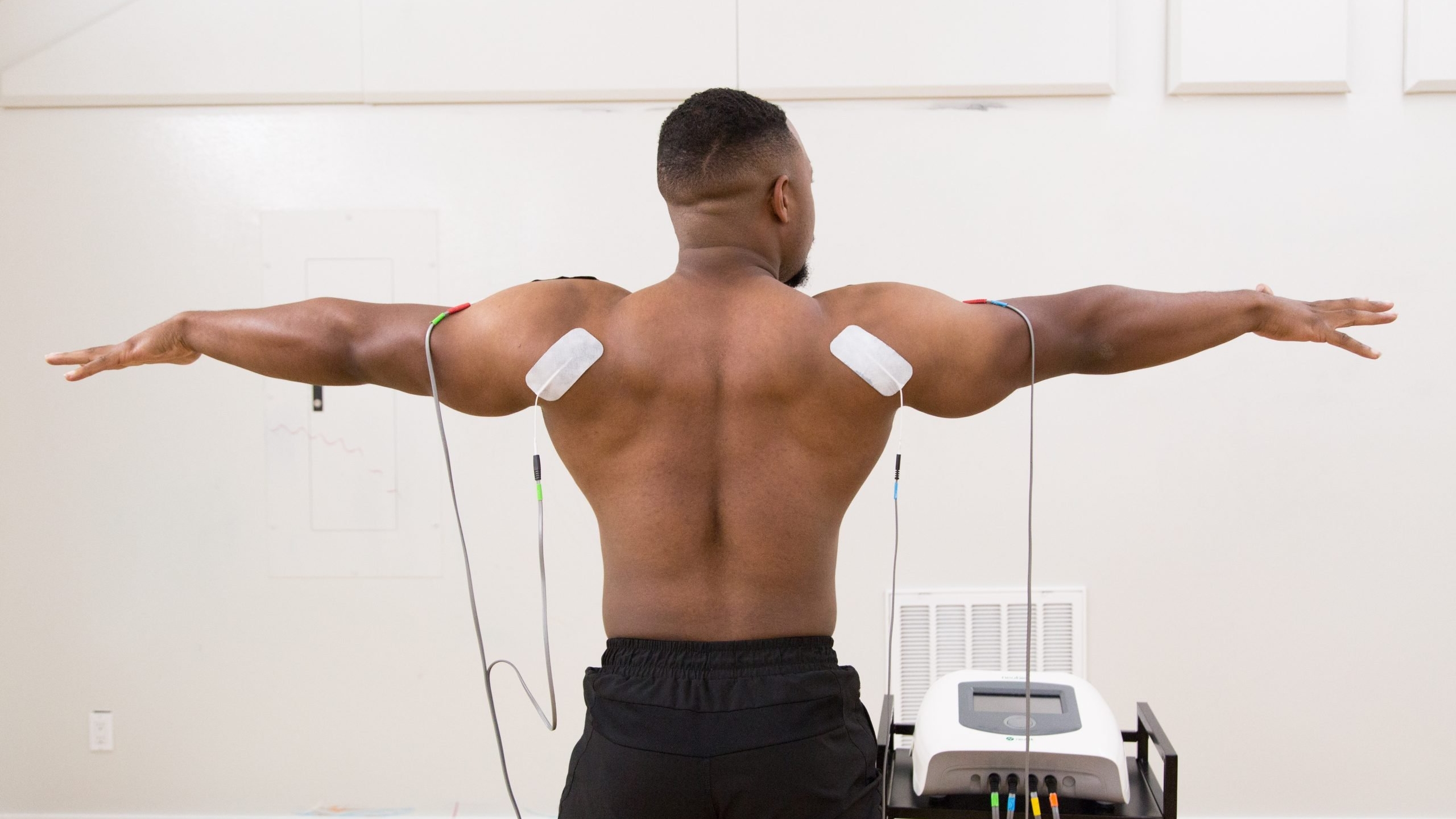
What is NeuFit? A Beginner’s Guide to Neuromuscular Re-Education
Our bodies are complex, with multiple systems working together. A network of nerves connects the muscular system and brain, allowing for complex, coordinated movement and general functioning. Healthy functioning relies on the health and vitality of these connections.
Disturbances in the connections between the muscles and brain can impact a person’s quality of life and ability to function. Injuries, overuse, strain, and other limitations can lead to a loss of function, pain, or further injury to tendons, muscles, ligaments, and other tissues.
Neuromuscular re-education is the process of training the muscles and nerves to work together again after an injury or other medical condition. The NeuFit Method is a proprietary approach to neuromuscular re-education proven to be safe and effective, delivering quick, long-lasting results.
This article will explore what the NeuFit Method is, how neuromuscular re-education can help to restore function, and where to find NeuFit therapy. Contact the specialists at The Hartman Center to learn more about the NeuFit Method or to schedule an intake appointment.
What is the NeuFit Method?
The NeuFit Method is a revolutionary and widely accessible form of neuromuscular re-education. It utilizes a device called the “Neubie” to deliver effective, targeted neuromuscular stimulation to promote faster healing, less pain, and greater strength in less time than other neuromuscular re-education methods. The portable Neubie device lets practitioners target specific areas of pain, tension, and dysfunction, leading to better outcomes and long-lasting improvements.
The Neubie is just one part of the NeuFit Method. This comprehensive approach addresses the roots of pain or dysfunction through nervous system stimulation and functional rehab, which includes specialized movements and exercises.
The NeuFit Method can help people reduce pain, loss of coordination, and other forms of dysfunction after surgery, injury, or neurological conditions. This targeted, holistic approach to neuromuscular recovery may provide lasting pain relief and meaningful improvements in functioning in less time than other approaches.
What Happens During NeuFit Therapy Sessions?
NeuFit Method sessions use several steps to achieve the desired treatment goals. Understanding this process can help you prepare for your first session and feel more confident about engaging in this innovative, effective therapy.
Here is what you can expect during NeuFit therapy sessions.
Assessment and screening
A trained practitioner will use a handheld Neubie electrode to identify areas of tension or resistance in the body. This device measures electrical resistance, helping the practitioner find areas where the nervous system may be activated or inhibited. This information will help to guide your treatment plan.
Direct current stimulation
Once you and your practitioner have discussed your treatment plan, treatment will begin. Your practitioner will use the Neubie device to deliver direct current into areas of the body identified in your assessment. Direct current is a more effective alternative to the alternating current used in a TENS unit. Using this approach can reduce discomfort during treatment and improve outcomes.
Functional movements
While the Neubie device delivers direct current to the affected muscles and tissues, a trained practitioner will guide you through a series of functional movements. These might include reaching, bending, squatting, or other exercises, depending on your unique needs. Performing these targeted movements can help your brain and body learn to return to proper function without pain.
Neuromuscular re-education means helping your body and brain work together more effectively. The NeuFit Method uses a combination of proven techniques to help you regain strength, balance, and coordination, allowing you to live and move more comfortably for the long term.
What are the Benefits of the NeuFit Method?
Many people simply accept pain, loss of coordination, and other forms of neuromuscular dysfunction after surgery or injury. Others turn to medications or ineffective therapies for temporary symptom relief.
You do not have to accept pain, poor balance, or a reduction in functioning. Neuromuscular re-education can help you regain control and make noticeable improvements in just a short period.
Here is an overview of some of the most significant benefits of using the NeuFit Method.
Better balance
Neuromuscular re-education can improve the connection between the brain and the muscular system. This can improve balance and coordination by improving communication, allowing for quicker responses and better stability. NeuFit therapy can help to build better core strength, posture, and bodily control, allowing for more control and faster responses. These improvements can reduce the risk of falls or other injuries.
Improved proprioception
Proprioception is the awareness of your body in space. Disrupted nerve connections between the muscles and the brain can decrease this critical awareness. Problems with proprioception can cause people to lose their balance, fall, or have difficulties with coordination.
NeuFit therapy can build balance and awareness in the body, improving proprioception. Improvements in proprioception can reduce the risk of injury and result in smoother, more coordinated movements in everyday life.
Smoother coordination
Neuromuscular re-education can restore your brain-body connection to its baseline after an injury or disruption in the nerve connections affecting movement. This comprehensive therapy addresses balance, posture, strength, dexterity, and other aspects of coordination, helping you to coordinate movements more effectively.
Improved posture
NeuFit training can improve balance and core strength, which can significantly impact posture. Better posture can reduce the risk of muscle fatigue, loss of muscle tone, and strain on the joints and tendons.
Quicker recovery
NeuFit therapy can help people have smoother, quicker recoveries after injury or surgery. This innovative therapy can reduce recovery time by activating the body’s innate healing systems.
This system uses a unique methodology to stimulate the nervous system, urging the body to build muscle and repair other tissues surrounding the injury site. People who engage in NeuFit therapy may experience faster healing and a quicker return to their typical daily activities.
Evidence shows that NeuFit therapy can also help people recover faster and more completely after a stroke or spinal cord injury. This unique therapy can enhance neurological function, helping people regain coordination, dexterity, and overall function.
Less pain
Many people live with ongoing pain after an injury or due to a medical condition. Living with chronic pain can be challenging. Daily pain can interfere with your ability to function and can profoundly impact your quality of life.
While many people turn to medications to manage chronic pain, over time, these medications can become less effective and may have the potential for serious problems, including physical dependence. Many holistic health practitioners recommend alternative methods and a comprehensive approach to long-term pain management.
NeuFit therapy uses strategic neuromuscular stimulation to encourage healing. Instead of simply masking the sensation of pain, neuromuscular re-education addresses the roots of pain. It can promote new muscle and tissue development, as well as help people rebuild strength and resilience that can reduce the risk of future injuries.
Neuromuscular re-education is a holistic approach to treat dysfunction, pain, weakness, and other disruptive symptoms that can arise after injury or health conditions. Contact the specialists at The Hartman Center to learn more about the NeuFit Method or to schedule an intake assessment today.
Who Can Benefit from NeuFit Therapy?
A person’s health and mobility depend on all of the body’s systems being balanced and working together. An injury or illness that disrupts the connection between the nerves and muscles may result in weakness, poor balance, impaired coordination, and other disruptive effects. Neuromuscular re-education is a technique used to restore function and mobility after damage to nerves or muscles.
The NeuFit Method offers potent, targeted neuromuscular re-education for anyone struggling with pain, weakness, or loss of mobility. People who have undergone surgery, live with chronic pain, or have experienced a physical or neurological injury may benefit from neuromuscular re-education.
Here is a breakdown of how the NeuFit Method can help people with various conditions.
Chronic pain
People may live with chronic pain due to an injury or medical condition. Chronic pain can affect your physical health, mental well-being, relationships, daily functioning, and more.
Neuromuscular re-education can address some of the most common causes of chronic pain. This holistic approach to pain management explores specific areas of pain and tension throughout the body. It can address issues like muscle weakness, poor posture, maladaptive body mechanics, or harmful compensations after injury.
Identifying the sources of pain and targeting treatment to these specific areas can lead to significant improvements in mobility and less pain, even when other approaches have failed.
Stroke or spinal cord injury
A stroke or spinal cord injury can damage nerves and muscles or disrupt communication between these systems. Neuromuscular re-education can essentially “re-wire” the brain and muscles, allowing people to return to their baseline functioning after these events.
Neuromuscular re-education can help people improve their bodily awareness, balance, and coordination. This can reduce the risk of injury, increase mobility, and help people gain more independence after experiencing a stroke or spinal cord injury.
Injury or surgery
An injury or surgery can disrupt the nerves connecting the brain and body. This can result in weakness, loss of coordination, poor balance, and other symptoms. Neuromuscular re-education can help to reestablish this connection, leading to marked improvements in function. It can also reduce pain and increase strength, reducing the risk of further damage or future injuries from strain or muscular compensation.
If you or someone you love lives with pain or loss of function, you do not have to simply work around it or accept it as your new normal. Neuromuscular re-education using the NeuFit Method can quickly restore function and relieve discomfort. Contact The Hartman Center specialists to learn more or schedule an intake assessment.
Find Neufit Therapy Now
If you or someone you love lives with pain or loss of mobility after an injury or neurological condition, you are not alone. You don’t have to simply accept your symptoms. Engaging in NeuFit therapy can help you regain control of your movements and reduce pain for the long term.
Contact the team at The Hartman Center to learn more about the NeuFit Method or to explore any of our other comprehensive therapies. We look forward to joining you on your health and wellness journey.
LiveO2 vs Hyperbaric Oxygen Therapy: What’s the Difference?
Brain injuries, illnesses, mental health disorders, and other conditions can profoundly impact your physical and cognitive functioning. These conditions can affect how you move, sleep, think, feel, and more. Many people simply accept these changes as their new normal or struggle with their symptoms after developing these conditions. However, taking a holistic approach to healing the brain can lead to significant improvements in your functioning and quality of life.
LiveO2 therapy and hyperbaric oxygen therapy are two treatments that help to increase blood oxygen levels and support the body’s healing process. These treatments may help to improve cognitive and physical functioning, allowing people to live fuller lives after a brain injury or illness.
This article will explore the risks and benefits of LiveO2 therapy and hyperbaric oxygen therapy. You will learn about the similarities and differences between these therapies and where to find treatment near you.
If you or someone you love lives with brain fog, cognitive issues, dizziness, or other disruptive symptoms related to a brain injury or other conditions, help is available. Contact the team at The Hartman Center to learn about our integrative treatments or to schedule an intake appointment.
What is LiveO2 Therapy?
LiveO2 therapy is a non-invasive, holistic treatment that involves performing light exercise while breathing highly concentrated oxygen. This treatment can significantly increase blood oxygen levels, which improves the body’s natural healing abilities.
Research suggests that LiveO2 therapy can result in substantial increases in blood oxygen levels. Some studies report an increase in blood oxygen levels of over 400% after a LiveO2 therapy session.
Medical and health experts recommend this therapy for those who have experienced a brain injury, infection, or other conditions impacting the brain. Increasing blood oxygen levels throughout the body allows richly oxygenated blood to reach the brain, which supports the body’s ability to heal effectively.
People who engage in LiveO2 therapy may experience reduced disruptive symptoms, such as brain fog and dizziness. They may experience short-term benefits immediately after treatment, and long-term benefits as their brain and body heal over time.
Who Might Benefit from LiveO2 Therapy?
Integrative practitioners typically take a holistic approach to symptom management. Instead of simply treating symptoms with medications, they offer treatment that addresses the root of the problem. The result of this holistic approach is often profound, lasting improvements in a person’s health and general well-being.
LiveO2 therapy is a non-invasive, complementary treatment that can quickly and sustainably increase blood oxygen levels. Elevating blood oxygen levels can increase cellular performance and immune function. Improvements in these areas can have a cascade of positive impacts throughout the body/
LiveO2 therapy may benefit people living with a range of physical or cognitive conditions. These include:
- Traumatic brain injury (TBI)
- Insomnia and other sleep issues
- Migraines and headaches
- Dizziness
- Problems with balance or coordination
- Chronic pain
- Breathing problems
- Post-concussion syndrome
- Long-COVID symptoms
- Brain fog
LiveO2 uses a simple process to quickly but gently improve blood oxygen levels. Higher concentrations of oxygen can activate cellular growth, tissue repair, immune functioning, and other processes in the body.
Many integrative health practitioners believe that increasing blood oxygen levels can increase a person’s energy and reduce systemic inflammation. The result? Significant improvements in a range of symptoms, including:
- Reduced pain
- Improved ability to fight off infections
- Better balance and coordination
- Clearer thinking, sustained focus, and other cognitive improvements
- Deeper, more refreshing sleep
Holistic practitioners may suggest LiveO2 therapy for individuals living with symptoms of inflammation, nerve-related problems, damage to muscles or other tissues, and other conditions that can disrupt daily functioning. In many cases, LiveO2 therapy may be integrated into a comprehensive treatment approach to address the full range of a person’s symptoms.
What Happens During LiveO2 Therapy Sessions?
LiveO2 therapy can occur in many settings. You may undergo treatment in a private office, outpatient clinic, integrative health center, or other settings. Because the equipment required is compact and portable, there is no need for a specialized setting.
Before beginning treatment, your health practitioner will perform an assessment to determine whether LiveO2 therapy is appropriate for your needs. After this assessment, your practitioner will clear you for treatment and schedule your first session.
During sessions, you should wear comfortable clothing that allows you to move freely. You will be engaging in light to moderate exercise (typically by riding a recumbent bike), so dress in clothing that is comfortable for this type of activity.
Before beginning the exercise, your practitioner will fit a mask over your nose and chin. This mask will be attached via tubes to a reservoir that contains two pouches of air. One pouch will contain highly concentrated oxygen, and the other will contain high-altitude air.
Next, your practitioner will attach monitors to track your heart rate and blood oxygen levels. Throughout the treatment session, your practitioner will assess the information from these monitors to ensure the treatment is effective.
Then, you will begin your exercise session. Your practitioner will cue you to alternate between high- and low-intensity exercise, which allows the body to draw in oxygen more efficiently. You will likely spend around 15 minutes engaging in this exercise.
After finishing the exercise, your practitioner will help you to remove the mask and monitors. They will explain any aftercare or precautions needed after treatment. You may be advised to stay hydrated and eat well after your LiveO2 sessions.
You may feel the positive effects of LiveO2 therapy immediately after treatment, including clearer thinking, better energy, or deeper sleep. However, it can sometimes take more than one session for people to experience noticeable changes.
Finally, your practitioner will schedule your next appointments before you return to your regular daily schedule.
Hyperbaric Oxygen Therapy: The Risks and Benefits
Hyberbaric oxygen therapy is a treatment method designed to increase blood oxygen levels. During treatment sessions, people remain in a pressurized, enclosed chamber filled with pure oxygen. This can increase the amount of oxygen in the body, which can be beneficial for those experiencing a range of specific medical conditions.
Medical professionals have relied on hyperbaric oxygen therapy for decades to reverse the effects of decompression sickness, a condition associated with scuba diving. It may also be used to treat slow-healing wounds related to diabetes, carbon monoxide poisoning, severe infections, air bubbles in blood vessels, and other conditions.
Increasing blood oxygen levels may support the body’s natural ability to fight bacterial infection and can increase stem cell production. This allows the body to heal quickly and more effectively. It can also promote improvements in cellular and tissue function.
While hyperbaric oxygen therapy may be effective for certain conditions, it also carries risks.
Potential risks of hyperbaric oxygen therapy may include:
- Low blood sugar in individuals with diabetes controlled by insulin
- Lung collapse caused by air pressure changes
- Ruptured eardrum and other middle-ear injuries caused by changes in air pressure
- Pressure-related changes to the eye lenses that result in temporary nearsightedness
- Seizures related to oxygen toxicity in the central nervous system
The super-concentrated oxygen within the enclosed chamber poses a risk of fire, although this is considered a minor risk.
What Happens During Hyperbaric Oxygen Therapy Sessions?
Hyperbaric oxygen therapy often occurs in an outpatient setting, but can also be included in inpatient care for those hospitalized for specific conditions. Preparation for treatment typically involves changing into a hospital gown, removing all petroleum-based products, and setting aside all personal electronic devices.
Hyperbaric oxygen chambers may be small, allowing one person to receive care at a time, or larger to accommodate multiple patients. People are generally allowed to sit or lie down during therapy sessions. People may wear a mask or hood to receive oxygen throughout treatment sessions.
Some people report unpleasant sensations during treatment, including a feeling of pressure or fullness in the ears. This is typically uncomfortable but manageable.
Hyperebaric oxygen therapy sessions may last up to two hours. After a session, people may feel drowsy or hungry. It is common for people to attend multiple sessions to address specific conditions or issues.
Is LiveO2 Therapy or Hyperbaric Oxygen Therapy Right For Me?
Hyberbaric oxygen therapy and LiveO2 therapy are both used to increase blood oxygen levels and address a range of conditions. Both can lead to acute and long-term benefits by supporting the body’s ability to heal and repair tissue.
However, there are some significant differences between hyperbaric oxygen therapy and LiveO2 therapy. Understanding these differences can help you find the most beneficial treatment for your needs.
Here is a breakdown of some of the differences between these therapies.
Patient experience
LiveO2 therapy offers a more comfortable and accessible way to increase blood oxygen levels safely. Treatment sessions are typically shorter than hyperbaric oxygen therapy sessions, which may last two hours. LiveO2 therapy sessions usually last around 15 minutes, and there is generally little to no downtime after treatments. People can get all the benefits of oxygen therapy without needing to spend hours inside a specialized chamber.
Hyperbaric oxygen therapy sessions can cause discomfort, claustrophobia, ear pain, and other unwanted side effects. LiveO2 therapy is quick, easy, and generally comfortable without sacrificing any of the benefits.
Personalization options
Hyperbaric oxygen therapy is a one-size-fits-all treatment option that may not be appropriate for every individual. LiveO2 therapy is customizable, allowing practioners to adapt treatment to accommodate a wide range of abilities and fitness levels. This flexibility allows more people to access and benefit from this effective treatment option.
Effectiveness
LiveO2 therapy is considered more effective than hyperbaric oxygen therapy at raising and sustaining blood oxygen levels. LiveO2 therapy’s innovative process creates force within the body, allowing it to draw in more oxygen. This process also eliminates the risks associated with spending time in a pressurized chamber.
Discuss your treatment options with a integrative practioner or medical professional. Reach out to the specialists at The Hartman Center to learn more about LiveO2 therapy or to schedule an intake assessment.
Find LiveO2 Therapy
LiveO2 therapy can offer real, lasting relief from dizziness, brain fog, poor balance, and other symptoms related to a brain injury, infection, and other conditions. Contact the integrative health specialists at The Hartman Center to learn more about LiveO2 therapy or to explore any of our other holistic treatment programs. We look forward to joining you on your journey to better health and wellness.
What Conditions Can Shockwave Therapy Treat?
Millions of people live with long-term pain that impairs their functioning and quality of life. Injuries, aging, illnesses, and other conditions can result in pain, stiffness, and limited mobility. This daily discomfort can chip away at a person’s sleep, emotional health, ability to work, cognitive functioning, and more.
Living with chronic pain can affect how people think, feel, and function in many areas of their life. While many people simply accept lingering pain as part of their new “normal,” it doesn’t have to be this way. Comprehensive treatment and a holistic approach to pain management can help people address the roots of their pain instead of relying on medications to hide it.
Extracorporeal shockwave therapy (ESWT) is a holistic therapy that supports the body’s natural healing. It is non-invasive, has very little downtime, and does not cause significant side effects. This gentle therapy uses focused shockwaves or radial pressure waves to stimulate tissue repair and boost the body’s ability to rebuild healthy tissue in damaged areas.
Many people feel the benefits of this non-invasive therapy after just a few sessions. Extracorporeal shockwave therapy can help people regain flexibility and function while decreasing pain. Learn more about ESWT by contacting the specialists at The Hartman Center Now. Explore our holistic treatment programs and therapies, or schedule an intake appointment by reaching out today.
What is Extracorporeal Shockwave Therapy?
Extracorporeal shockwave therapy is a holistic treatment that uses gentle shockwaves to encourage the body to heal more effectively. This therapy was first developed as a method of breaking up kidney stones. Over the last 40 years, medical practitioners have discovered a range of other uses for ESWT, including promoting tissue regeneration and reducing inflammation throughout the body.
During sessions, a practitioner uses a wand or gun to direct the shockwaves to areas of the body affected by inflammation, tissue damage, or injuries. The gentle shockwaves encourage the body to increase blood flow to the area. It enables the body to focus its healing potential on areas that need it, including injuries or areas with increased inflammation. It can also break up or loosen stiff tissue and decrease the sensation of pain. People who undergo ESWT typically experience reduced stiffness or pain, greater flexibility, and faster healing.
Extracorporeal shockwave therapy can lead to lasting relief from pain, stiffness, and limited mobility. It is often an excellent option for people who have tried medications or other pain-relieving therapies without success.
Because ESWT is a non-invasive therapy, sessions are generally comfortable, and people do not typically experience significant side effects. The ease of extracorporeal shockwave therapy, combined with its effectiveness, makes it an appealing option for many people. In many cases, people who receive ESWT can delay or forgo more invasive treatment approaches, including steroids or surgical procedures.
What Conditions Does Shockwave Therapy Treat?
Extracorporeal shockwave therapy (ESWT) uses focused sound waves to deliver energy to damaged bones, fascia, ligaments, and other tissues. Although this therapy is called “shockwave therapy,” it does not utilize electrical shocks and is not painful or uncomfortable. Instead, gentle acoustic pulses penetrate deeply into the tissue, encouraging blood flow and breaking up stiff scar tissue.
Over time, ESWT can allow the body to replace damaged or inflamed tissue with new, healthy tissue and blood vessels. The result is more durable, flexible tissue, as well as reduced pain and stiffness.
Because ESWT is a non-invasive and effective therapy, it has broad applications. Here are some of the most common conditions shockwave therapy can treat.
Foot and knee injuries
Foot and knee pain can reduce mobility, keeping people from living the full lives they deserve. Achilles tendinopathy, heel spurs, runner’s knee, plantar fasciitis, and other conditions can make walking or other forms of movement very uncomfortable. In the past, people with ongoing foot or knee pain had only a few options to address the pain: to take pain relievers, accept limited mobility, or undergo invasive surgical procedures.
However, extracorporeal shockwave therapy offers a gentle and effective alternative to addressing pain in the knees, ankles, or feet. Using gentle, targeted shockwaves to the affected areas can help the body activate its healing ability, increasing blood flow and promoting new, healthy tissue growth.
Elbow and shoulder pain
The elbow and shoulder joints are prone to injuries. Overuse, repetitive sports, and other injuries can lead to long-lasting, life-disrupting pain in these joints. Extracorporeal shockwave therapy can help these areas heal more effectively, promoting tissue regeneration and reducing inflammation.
Hip pain
Greater trochanteric pain syndrome (GTPS) is one of the most common forms of hip pain. This painful condition results from inflammation of the muscles and ligaments of the hip. It can cause sharp pain in the hips, buttocks, and legs. Recovery can be long and painful, and may require significantly limiting physical activity.
Extracorporeal shockwave therapy can help to facilitate faster healing. The gentle shockwaves stimulate blood flow to the hip's muscles and tissues, reducing inflammation and improving flexibility in the area. People may experience significant reductions in pain, allowing them to participate in a rehab program more effectively.
Back pain
Millions of people experience back pain that limits their mobility, impacts functioning, and affects overall quality of life. Back pain may result from injury, excess weight, spinal issues, poor posture, overuse, and other factors.
Extracorporeal shockwave therapy may be effective for reducing pain associated with muscle or tissue strain. The gentle, targeted shockwaves can encourage greater blood flow to the muscles and the formation of new blood vessels. This allows the body to regenerate tissue and reduce inflammation, potentially leading to a significant reduction in stiffness and pain.
Kidney stones
Medical professionals originally developed extracorporeal shockwave therapy to break up kidney stones. The gentle shockwaves break up the small clumps of calcified minerals, allowing the pieces to pass from the body in the urine. This procedure has been used for decades and is considered one of the safest ways to manage kidney stones.
TBI-related spasticity
Traumatic brain injuries (TBI) and stroke can cause physical and cognitive impairments. Some people with these conditions can experience changes in strength and fine motor control. These changes can impact mobility and coordination necessary for everyday activities, such as getting dressed, cooking, writing, and others.
Extracorporeal shockwave therapy can reduce spasticity and help people regain control over their movements. It works by improving the function and tone of atrophied muscles and tendons. This can help people live more fully and comfortably after a brain injury or stroke.
Osteoarthritis
Osteoarthritis is a painful condition that can limit mobility and negatively impact daily functioning. While more research is needed to demonstrate the effectiveness of ESWT for osteoarthritis, some studies suggest that this non-invasive approach may reduce inflammation and pain associated with the condition, especially in the knees.
If you or someone you love lives with pain, stiffness, or diminished mobility, treatment is available at The Hartman Center. Contact our specialists to learn about our holistic approach to pain management, or to explore any of our complementary therapies.
What Happens During Shockwave Therapy Treatment?
If your healthcare provider recommends shockwave therapy, you may typically begin treatment right away. Shockwave therapy sessions are generally short and comfortable. Knowing what to expect can help you feel confident during your first appointment.
Here is a quick overview of what to expect during shockwave therapy sessions.
Before treatment
Before your appointment, dress in comfortable clothing that allows access to the treatment area. Your practitioner will apply a special gel to the treatment area. This gel allows the waves to reach deeper into the tissue.
During treatment
During the treatment session, your practitioner will apply an applicator to the skin over the affected area. The applicator will be attached to a machine that will deliver a pattern of pulse waves.
Treatment sessions typically last 10-20 minutes. During this time, you may feel a pulsing or tapping sensation in the treatment area. This may feel strange or somewhat uncomfortable, but most people do not report experiencing pain during treatment.
After treatment
After your treatment session, you will likely be able to return to your normal activities right away. The treated area might feel sensitive, sore, or warm for a little while, but these sensations are usually minimal or manageable.
In some cases, your practitioner may advise you to refrain from strenuous physical activity after treatment sessions. You will receive detailed instructions about any necessary restrictions or aftercare considerations.
Some people report feeling greater flexibility or reduced pain after their first ESWT session. Typically, people may undergo ESWT sessions regularly over several weeks to experience the full benefits.
Find Extracorporeal Shockwave Therapy Now
Extracorporeal shockwave therapy is a gentle method that addresses the roots of pain and stiffness instead of just temporarily relieving symptoms. If you or someone you love could benefit from a non-invasive therapy for pain, reach out to The Hartman Center specialists to explore shockwave therapy or any of our holistic pain management therapies.
What to Expect Before, During, and After a VitalScan Tilt Test
Many people experience fainting or periods of dizziness due to underlying physical conditions. While many attempt to “power through” these symptoms or accept them as their “new normal”, effective assessments and treatment can help people achieve lasting results.
The VitalScan Tilt Test is a simple, non-invasive test that can help to identify the source of dizziness and fainting. This test evaluates the impact of position changes on heart rate and blood pressure in a safe and supportive environment. This test provides valuable information that can help integrative health practitioners properly assess a patient’s health and tailor the most effective treatment program.
This article will explore what to expect before, during, and after a VitalScan tilt test. You’ll learn about when someone might require this type of testing and how it can benefit your treatment plan and long-term recovery from dizziness.
If you or someone you love struggles with dizziness or fainting, treatment and support are available at The Hartman Center. Contact our specialists to explore our holistic assessment and treatment options or to schedule your first appointment. We look forward to partnering with you on your holistic health journey.
What is a VitalScanTilt Test?
The VitalScan Tilt Test is a procedure that assesses changes in heart rate and blood pressure that occur in response to position changes. During the procedure, the person lies on a specially designed table with a footrest. A practitioner attaches heart rate monitors and blood pressure cuffs to the patient. The practitioner then adjusts the angle of the table and collects information about the effects of these position changes on blood pressure and heart rate.
What Does the VitalScan Tilt Test Measure?
The Tilt Table test is designed to provide information about the causes of unexplained fainting or dizziness. This test assesses the impact of gravity and positional changes on a person’s blood pressure and heart rate.
This information may help the practitioner diagnose autonomic nervous system (ANS) dysregulation or disorders. Here is an overview of these conditions.
Postural Orthostatic Tachycardia Syndrome (POTS)
POTS is a cardiovascular autonomic disorder that causes increased heart rate and orthostatic intolerance when a person stands up from a reclined position. People with POTS may experience frequent bouts of dizziness or fainting, as well as elevated heart rate and extreme tiredness.
Neurocardiogenic Syncope (NCS)
NCS causes frequent, temporary drops in blood pressure that can lead to dizziness, lightheadedness, or fainting.
Multiple System Atrophy (MSA)
MSA is a rare, progressive neurodegenerative condition that affects all autonomic functions, including balance, blood pressure, speech, bladder control, and movements.
Pure Autonomic Failure (PAF)
PAF causes dizziness and fainting when moving into a standing position. It can also affect sweat response, pupil reactions, bladder and bowel control, and sexual functioning.
Understanding the root cause of unexplained fainting or dizziness enables the person and their integrative health team to create a personalized treatment plan that addresses these symptoms effectively.
When is the Tilt Test Recommended?
Frequent fainting spells or dizziness can significantly impact a person’s quality of life and ability to function. It can be frustrating to live with dizziness that does not seem to have a clear cause.
A Tilt Test can provide information about how the body responds to changes in position. This can provide valuable insight into the health and functioning of the autonomic nervous system (ANS).
An integrative health practitioner may recommend the VitalScan Tilt Test for people who:
Experience unexplained dizziness
Have frequent, unexplained lightheadedness
With cardiac or neurological symptoms
Experience frequent fainting episodes without a clear cause
Many conditions related to ANS functioning have overlapping or similar symptoms. The Tilt Test is a straightforward, non-invasive, and low-risk method for gathering information that can help identify the root causes of unexplained fainting or dizziness, leading to personalized treatment.
How to Prepare for a VitalScan Tilt Test?
While the VitalScan Tilt Test is safe, it is essential to take specific steps to prepare for it. Proper preparation will ensure you get the most accurate results and have the best experience at every stage of assessment.
Your practitioner will review your individualized preparation instructions with you before performing this assessment. Here is a general overview of what you can do to prepare for this test.
Lifestyle changes
Your practitioner may ask you to stop taking certain medications before undergoing a Tilt Test. It is essential to inform your healthcare practitioner about all prescription and over-the-counter drugs, as well as any supplements you are currently taking. Then, your practitioner will tell you which medications to discontinue and when to stop taking them, if necessary.
You may be advised to stop using alcohol, caffeine, or products containing nicotine for up to 24 hours before undergoing the Tilt Test.
Your practitioner may advise you to refrain from performing rigorous exercise or other strenuous activities for a specific period (usually up to 24 hours) before the assessment.
Finally, you may be asked to eat a light meal and stay hydrated before your test. In some cases, your practitioner may advise that you fast, depending on your individual needs. Consult with your practitioner before the test to learn what will work best for you.
Practical considerations
A Tilt Test typically does not cause long-term discomfort. However, some people feel tired or dizzy afterwards. It is important to arrange for someone to drive you home after your appointment in case you are unable to drive safely.
Before heading out to your appointment, take a shower and wash your hair. Don’t apply any scented products, powders, lotions, or oils afterwards. These products can prevent the sticky heart monitor patches from adhering properly to your skin.
Plan to arrive at least 15 minutes early for your testing appointment. This will give your practitioner plenty of time to prepare you and the testing area. You may also need to fill out paperwork before beginning the test.
Finally, wear loose, comfortable clothing to your appointment. This will ensure your comfort throughout the Tilt Test.
Taking steps to prepare will ensure that the testing process goes smoothly and produces the most accurate results. Contact The Hartman Center specialists to learn more about the VitalScan Tilt Test or to make an intake appointment.
What Happens During a VitalScan Tilt Test?
During the VitalScan Tilt Test, you will lie on the motorized table with your feet resting comfortably against the footrest. Your practitioner will secure soft straps around your chest, waist, and thighs to keep you safe throughout the assessment period.
At the beginning of the test, you will lie flat for several minutes. This will allow your team to gather information about your baseline heart rate and blood pressure. After this, your practitioner will slowly tilt the table until you are in a near-standing position.
You will remain in this position for up to 45 minutes. During this period, your practitioner will continue to monitor your heart rate and blood pressure. If you experience nausea, dizziness, heart palpitations, or other uncomfortable symptoms, let your practitioner know right away.
It is important to remain as still as possible during the test. This will provide the most accurate data about how position changes impact your heart rate and blood pressure.
Your practitioner will return the table to its flat position and stop the test if they notice significant drops in your blood pressure while you are in the standing position. If you do not develop symptoms in the standing position, your practitioner will return you to the flat position when the testing period is complete.
What Happens After a VitalScan Tilt Test?
A VitalScan Tilt Test can provide valuable information about your health, including autonomic nervous system (ANS) functioning and balance. Here is what to expect after completing this assessment.
Immediately after the test
After completing the test, you will remain on the table in the flat position for a few minutes. Your practitioner will monitor your heart rate and blood pressure during this time. Once they have determined these are stable, you can get up from the table. You may be required to wait 30 to 60 minutes after completing the test before leaving the testing facility.
Potential side effects
Some people experience short-term side effects after completing a tilt test, including mild nausea, dizziness, and fatigue. These side effects typically resolve within half an hour. You must arrange for a responsible adult to drive you home after the test in case of dizziness or other side effects that may impair your ability to drive safely.
Results
Your practitioner may discuss your test results immediately after completion. They will review the gathered information and discuss any recommended follow-up or additional testing required.
Management
The VitalScan Tilt Test can help to determine the underlying causes of autonomic nervous system dysfunction and other conditions. Your treatment will depend on the type of ANS dysfunction identified and may include nutritional counseling, physical therapy, medications, exercise, and other holistic therapies.
Learn More Now
If you or someone you love experiences unexplained fainting spells or dizziness, it is crucial to investigate and address the underlying causes. Autonomic Assessment, including the VitalScan Tilt Test, can help pinpoint the root cause of these symptoms and guide effective, holistic treatment that leads to lasting relief.
Contact the specialists at The Hartman Center to learn more about the VitalScan Tilt Test or to schedule an intake appointment. We look forward to supporting your journey to better health and wellness.
How to Prepare For Your First ESWT Session
Millions of people in the United States and around the world struggle with chronic aches and pains. Living with ongoing pain can have a profound impact on your mental health, functioning, and overall quality of life.
People living with chronic pain may experience poor sleep, fatigue, low mood, and difficulty doing the things they need to do to simply get through the day. Some research even suggests that living with chronic pain can have a profound, negative impact on a person’s mental and cognitive health.
Medical professionals may prescribe medications to help people manage their chronic pain. However, many of the medications that reduce chronic pain can have dangerous side effects, including physical dependence. Medications do not address the roots of pain and typically cannot be used long-term, making them ineffective for many people living with chronic pain.
Extracorporeal shockwave therapy (ESWT) is a holistic therapy that addresses the source of pain, rather than simply masking it with medications. This non-invasive treatment activates the body’s innate healing systems, allowing people to experience long-term relief from their pain.
This article will explore what ESWT is and provide guidance on how to prepare for your first treatment session. You’ll learn about the benefits of extracorporeal shockwave therapy and where to find ESWT near you.
You don’t have to simply live with your pain or resort to medications with unwanted side effects to manage it. Extracorporeal shockwave therapy can provide real, lasting pain relief. To learn more about ESWT or to schedule your first appointment, contact the specialists at The Hartman Center. We look forward to supporting you in your wellness journey.
What is Extracorporeal Shockwave Therapy (ESWT)?
Extracorporeal shockwave therapy is a non-invasive therapeutic approach that enhances the body’s natural healing ability. ESWT utilizes gentle shockwaves to break down scar tissue, promote tissue regeneration, and alleviate pain sensation. It is non-invasive, and people typically experience little to no discomfort during sessions.
During treatment sessions, a trained provider simply applies a wand that administers concentrated sound waves into the tissue. People typically attend three to six sessions, depending on their condition and other factors.
There are two methods of administering ESWT. Focused shockwave therapy involves applying highly concentrated pulses to a specific area of the body. This treatment is quick, with sessions typically lasting just 5-15 minutes.
Radial shockwave therapy works similarly to focused shockwave therapy. However, this relatively new method utilizes higher-energy shockwaves that can penetrate deeper into the tissue.
People may receive extracorporeal shockwave therapy to treat inflammation or injury to the bones, fascia, muscles, ligaments, or tendons. Initially, ESWT was primarily used to treat common injuries, such as tennis elbow or foot injuries. However, further research has shown ESWT to be effective in restoring muscle elasticity and function after stroke or TBI.
Most people tolerate ESWT well and experience significant, lasting benefits. The promise of meaningful pain relief and the non-invasive nature of ESWT make it an appealing therapy for people living with pain.
What Conditions Can Be Treated With ESWT?
Extracorporeal shockwave therapy is an effective and non-invasive therapy that can be included in a holistic approach to pain relief. Individuals experiencing pain, stiffness, or discomfort due to a variety of conditions or injuries may benefit from this type of treatment.
Here is an overview of some conditions that ESWT may help.
Foot and ankle injuries
Injuries to the foot or ankle can significantly impact your quality of life, mobility, and daily functioning. Pain in the feet, legs, or ankles can be challenging to address, but extracorporeal shockwave therapy offers lasting pain relief that targets the roots of the problem.
Conditions such as heel spurs, Achilles tendinopathy, and plantar fasciitis can cause pain, stiffness, and reduced mobility. Extracorporeal shockwave therapy uses gentle, targeted shockwaves to affected areas.
These shockwaves can promote healing of inflammation or scar tissue by activating the body’s natural healing process. The result? Less pain and greater flexibility, which leads to improved mobility and enhanced daily functioning.
Back pain
Millions of people live with back pain that affects their mood, functioning, sleep, and more. Back pain can result from various factors, including injuries, aging, overuse, and others.
Research suggests that extracorporeal shockwave therapy may be effective at relieving back pain. People living with all types of pain, including low back pain, may benefit from ESWT.
The concentrated shockwaves promote healing by increasing blood flow to affected areas. This allows the body to rebuild healthy, flexible tissue to replace the existing tissue causing pain. It can also activate the body’s innate pain management system, allowing the muscles to relax. Less pain and greater flexibility can result in improvements in functioning, quality of life, and mobility.
Osteoarthritis
Osteoarthritis causes pain and reduced mobility of the joints. It is the result of reduced cushioning tissue at the ends of bones, which can lead to friction and pain in the knees, shoulders, hips, and other joints.
Extracorporeal shockwave therapy has been shown to reduce pain associated with osteoarthritis by supporting the body’s ability to heal and regenerate new, healthy tissue. This non-invasive therapy may address the issues causing pain instead of simply masking pain with medications.
TBI and stroke-related muscle spasticity
Traumatic brain injuries and stroke can impact cognitive functioning. Some of these cognitive changes may affect muscle control, leading to a loss of control, stiffness, or unwanted movements. Individuals experiencing these cognitive changes may lose motor control or strength, which can significantly impact their daily functioning.
ESWT can reduce the muscle-related symptoms of stroke or TBI in several ways. It may promote better muscle tone, improve functioning, and reverse muscle or tendon damage associated with these conditions. People may experience improvements in their functioning, strength, and coordination, with less pain and spasticity.
Overuse injuries
Knee pain, tennis elbow, strains, and other musculoskeletal issues can cause short and long-term pain. People may experience acute pain after an injury or sustain long-term pain after long periods of use. This pain can prevent people from enjoying their hobbies and affect their overall activity levels and quality of life.
Extracorporeal shockwave therapy uses gentle, focused shockwaves to encourage more effective healing and muscle relaxation. This non-invasive approach can help to break up scar tissue and rebuild healthy, supple tissue. It may reduce pain, increase mobility, and allow for a greater range of motion.
How Should I Prepare For My First ESWT Session?
You will receive instructions from your practitioner before beginning ESWT. It is important to follow their instructions closely to avoid potential problems during treatment and to maximize your benefits during sessions.
Generally, there are some steps you may be asked to take before your first ESWT session. Here is an overview of some common instructions you may receive.
Have a consultation
One of the first steps you must take when preparing for your first ESWT session is to consult with your chiropractic neurologist. Your specialist will gather information about your medical history, current health conditions and pain, medications you are taking, and other relevant details.
This information is critical to the success of extracorporeal shockwave therapy. Consulting with your provider will help them determine the most appropriate course of treatment and ensure they can effectively guide your care before, during, and after sessions.
Stop taking NSAIDs
Your provider may advise you to stop taking non-steroidal anti-inflammatory drugs (NSAIDs), such as naproxen, ibuprofen, and aspirin, for at least two weeks before your first ESWT session. These drugs may impair the effectiveness of ESW. Your provider will likely tell you not to take NSAIDs at any point during treatment.
Stay hydrated
Hydration is essential to effective healing. Your provider may advise you to stay hydrated before your first treatment session and throughout the ESWT process.
Wear loose clothing
As you prepare for your first session, it is important to wear loose, comfortable clothing that will allow your provider to access the affected area. Your practitioner must be able to apply the ESWT applicator to your bare skin, so keep this in mind as you dress before your first appointment.
Schedule your treatment sessions
Work with your provider to schedule all of your treatment sessions before beginning treatment. Extracorporeal shockwave therapy sessions build upon each other, so it is crucial to attend each appointment of your series. Missing sessions can result in ineffective healing or minimal results, or may require you to start treatment from the beginning.
Contact the Hartman Center specialists to learn more about preparing for your first ESWT session or to get more information about this gentle but effective treatment.
Find Extracorporeal Shockwave Therapy Now
You do not have to simply live with your pain or accept it as your new normal. Extracorporeal shockwave therapy (ESWT) is an accessible, non-invasive approach to treating pain that addresses the cause of pain instead of temporarily dulling the physical sensation.
The Hartman Center offers thoughtful, comprehensive pain treatment programs that incorporate ESWT and other holistic therapies. Addressing pain by treating the whole person leads to better, longer-lasting results that can improve your functioning, mobility, and quality of life.
If you or someone you love struggles with pain, explore extracorporeal shockwave therapy by reaching out to our treatment team today. We look forward to learning more about you and joining you on your journey to holistic health.
Top Five Signs Your Autonomic Nervous System is Out of Balance
The autonomic nervous system (ANS) is responsible for many aspects of your health. This system regulates functions like digestion, sweating, breathing, blood pressure, heart rate, and other automatic bodily processes.
The health of the ANS is critical to your overall health and well-being. Imbalances or dysfunction in the autonomic nervous system can disrupt many essential, automatic processes. ANS dysfunction can lead to a range of disruptive or uncomfortable symptoms.
Addressing autonomic nervous system imbalances begins with an understanding of this system, as well as potential issues and common symptoms. This article will explore five common signs of ANS imbalance and what steps you can take to correct it.
Autonomic testing can help identify ANS dysfunction and assist your holistic health team in creating an effective plan to address it. If you are experiencing signs of autonomic nervous system imbalance, find autonomic testing and comprehensive treatment at The Hartman Center. Contact our intake team now to learn more about our testing and treatment options, or to schedule an appointment.
What is the Autonomic Nervous System?
Your nervous system is your body’s information processing center. It is a complex system consisting of the central nervous system (CNS), which is the brain and spinal cord, and the peripheral nervous system (PNS), which consists of nerves throughout the body.
The autonomic nervous system (ANS) is a component of the peripheral nervous system. The ANS controls involuntary functions, such as breathing, heart rate, and digestion. The goal of the ANS is to maintain homeostasis, which refers to a state of balance and regulation.
The autonomic nervous system has two parts: the sympathetic nervous system and the parasympathetic nervous system. Here is an overview of these two systems.
Sympathetic Nervous System
The sympathetic nervous system (SNS) is the part of the nervous system that responds to stress or danger. In these situations, the SNS is activated, resulting in an increase in CNS activity. Some symptoms of SNS activation include:
- Elevated heart rate
- Increased blood pressure
- Decreased digestive activity
- Faster breathing
- Increased blood flow to muscles
- Dilated pupils
These changes can provide a “boost” in strength or energy, allowing people to escape or fight their way out of a dangerous or stressful situation. This is why some people refer to the SNS as the “fight or flight” system.
Parasympathetic Nervous System
The parasympathetic nervous system has the opposite role of the SNS. Its role is to balance the activity of the sympathetic nervous system, allowing people to “rest and digest” during times of safety.
Parasympathetic nervous system regulation may look like:
- A slow, steady heart rate
- Increased digestive activity
- Slow, relaxed breathing
- Constricted pupils
- Sexual responses
The parasympathetic nervous system can “turn on” when you feel safe, relaxed, or calm.
What is the Role of the Autonomic Nervous System?
Generally, the role of the autonomic nervous system is to maintain homeostasis (stability and consistency in functioning) throughout the body. The ANS maintains homeostasis by regulating systems that keep people alive, including:
- Heart rate, blood pressure, and circulation
- Digestion
- Pupillary reactions
- Sweating
- Immune system functioning
- Lung function and breathing
- Gland functioning in the eyes, nose, and mouth
- Reproductive functioning, including sexual arousal
- Urinary tract functioning
- Pancreas and liver functioning
The two parts of the ANS (the sympathetic and parasympathetic nervous systems) work together to respond to internal and external changes. For example, the sympathetic nervous system may activate in response to a stressful event, and the parasympathetic nervous system would then work to help the body recover afterward.
Both parts of the autonomic nervous system must work in harmony. Balance in the ANS can mean better health and well-being. However, many conditions can impact the health of the ANS, causing a range of symptoms and conditions.
Autonomic nervous system imbalances may occur at any time in your life. If you live with new or worsening symptoms of ANS dysfunction, find the testing, information, and treatments you need at The Hartman Center.
The Top Five Signs Your Autonomic Nervous System is Out of Balance
The autonomic nervous system is responsible for many of your body’s automatic functions. This system maintains the body’s balance by regulating the functioning of many systems. Imbalances in the ANS can result in many disruptive symptoms.
Recognizing the symptoms of ANS imbalance can help you identify a problem and take steps to address it. Here are five signs your autonomic nervous system is out of balance.
Heart rate fluctuations
The autonomic nervous system regulates heart rate. It can increase or decrease heart rate, blood pressure, and circulation in response to stimuli like stress and exercise. Medical conditions, medications, and certain lifestyle factors can cause ANS imbalances that lead to heart rate issues.
Dysfunction in the ANS may result in:
- Tachycardia (consistently high heart rate) even when a person is at rest
- Brachycardia (a slow heartbeat) that causes dizziness, fatigue, shortness of breath, and fainting
If you or someone you love experiences changes in your heart rate, it may be a sign of an imbalance in the autonomic nervous system.
Bladder and urinary issues
Autonomic nervous system imbalances may lead to significant, disruptive urinary system issues. People may experience symptoms that include:
- Urinary incontinence (not being able to hold in urine or leaking)
- Overactive bladder
- Nocturia (nighttime urination)
- Difficulty emptying the bladder
- Changes in frequency of urination
These symptoms can have a significant impact on a person’s functioning and quality of life. If you or a loved one experiences these or other urinary symptoms, it may be a sign of an ANS imbalance that requires attention.
Digestive symptoms
The autonomic nervous system plays a crucial role in digestive and gastrointestinal functioning. It regulates the balance of bacteria in the gut, stomach acid production, motility in the stomach and intestines, and other functions.
An ANS imbalance may show up as symptoms like:
- Bloating
- Gastroparesis (slow stomach emptying)
- Diarrhea
- Constipation
Stress, medications, and medical conditions can negatively impact ANS functioning, resulting in digestive and GI issues. It is crucial to explore autonomic nervous system health if you are experiencing new or worsening digestive symptoms.
Blood pressure issues
Your blood pressure is one measure of your overall health and the functioning of your cardiovascular system. The autonomic nervous system plays a vital role in regulating your blood pressure levels.
Imbalances in the ANS may result in:
- Hypertension (elevated blood pressure)
- Hypotension (low blood pressure)
Aging, medications, autoimmune diseases, and other medical conditions can lead to an ANS imbalance, which affects blood pressure. Discuss any changes in blood pressure or other symptoms you have noticed with your functional neurologist.
Sweating issues
The autonomic nervous system helps to regulate the production of sweat. An imbalance or dysfunction in the ANS may result in:
- Hyperhidrosis (excessive sweating)
- Hypohidrosis (insufficient sweating)
Healthy sweat responses are one measure of general health. Issues like excessive sweating in one area of the body or a lack of sweating can be a sign of an ANS imbalance.
If you or someone in your life exhibits these or other signs of ANS imbalance, find autonomic testing and treatments at The Hartman Center. Getting the information and treatment you need can help you live the healthier, fuller life you choose.
How to Assess Autonomic System Functioning
An autonomic assessment is a type of test that can assess the health and balance of your ANS. There are several types of testing that evaluate your ANS health, including:
- The Tilt Table Test
- Quantitative Sudomotor Axon Reflex Test (QSART)
- Thermoregulatory Sweat Test (TST)
- Deep Breathing Test and Valsalva Maneuver
- Bladder Ultrasound
A functional neurologist may offer these tests to assess the functioning of specific aspects of the autonomic nervous system.
Autonomic testing is a non-invasive way to evaluate the functioning of the ANS and pinpoint underlying causes of symptoms. People may participate in autonomic testing to identify a condition, monitor its progress, or aid in treatment for specific conditions.
Here is an overview of how people integrate autonomic assessment into a comprehensive approach to identifying and treating conditions.
Assessing conditions
Autonomic imbalances can be a symptom of several chronic conditions, including:
- Diabetes
- Infections
- Autoimmune conditions
- HIV
ANS imbalances can be irregular, undefined, or systemwide. Inconsistent symptoms can make it challenging to diagnose chronic conditions accurately.
Autonomic assessment can pinpoint the systems impacted by ANS imbalances. This information can help practitioners identify chronic conditions and treat them more effectively.
Monitoring the progression of conditions
Autonomic testing creates a baseline of ANS functioning. It enables individuals to identify current symptoms of ANS dysregulation and monitor the progression of chronic conditions. It can also help people recognize what treatments lead to stabilization or improvements.
Guiding effective treatment
Autonomic assessment provides a comprehensive evaluation of a person’s functioning and symptoms, enabling the accurate identification of conditions. This can guide a practitioner’s treatment approaches and allow them to adjust treatment to meet each person’s unique needs at every stage of the process.
You do not have to simply accept new or worsening symptoms as your new way of life. Find the information, resources, testing, and treatment you need to be the healthiest version of you at The Hartman Center.
Get an Autonomic Assessment
If you or someone in your life is experiencing new or changing symptoms of ANS imbalance, you are not alone. Don’t just accept them–do something about it. Getting an autonomic assessment is the first step toward managing or improving your disruptive symptoms. Contact the functional neurologists at The Hartman Center to learn about our assessments, therapies, and treatment programs.
Natural Solutions for Chronic Pain, Fatigue, and Injury: A Look at Today’s Top Therapies
Pain is part of life for nearly every person on the planet. Most people experience pain from injuries, headaches, illnesses, and other sources on a regular basis. Pain can impact mobility, quality of life, mental health, and other aspects of daily living. It can keep people from working, pursuing hobbies, managing daily responsibilities, and more.
In many cases, pain related to an illness or injury is temporary. However, millions of people in the United States struggle with chronic pain. Chronic pain is pain that lasts for months or years. People with chronic pain experience symptoms that linger longer than expected after an injury or illness, or long-lasting pain related to a chronic condition.
Chronic pain makes many aspects of life much more challenging. It can have a significant impact on a person’s mental health, general health, and ability to function.
People may take medications to manage chronic pain. However, many of the medications people take to reduce chronic pain have the potential for unwanted side effects, including physical dependence. People may only take these medications for short periods or may want to avoid them altogether.
There are many natural therapies people can use to manage chronic pain. These safe, natural alternatives to medications can provide real, lasting relief by addressing the root of pain, not just covering it up.
The Hartman Center uses a holistic, integrative approach when treating chronic pain. This article will explore some of the most effective natural solutions for chronic pain management. Contact our treatment specialists to explore these or other therapies or to schedule an intake appointment.
What is Chronic Pain?
First, it is important to understand what chronic pain is. Pain is the body’s response to an injury, illness, or inflammation. Pain originates in receptor nerve cells found throughout the body. These cells communicate with the brain via nerves in the spinal cord when injured or in response to an illness or inflammation. The brain registers these signals as pain.
People can experience many different types of pain. Pain can range from mild to severe. It may be irritating, as in the case of a mild headache, or unbearable, as in the case of a severe injury.
There are three types of pain: acute, subacute, and chronic. Acute pain is newly emerging pain. Subacute pain lasts several weeks or a couple of months. Chronic pain is pain that lasts for longer than three months.
Chronic pain is common in the United States. About one in four people in the US live with chronic pain that lasts for three to six months or longer. Chronic pain may have a profound, negative impact on a person’s quality of life and mobility. Potential effects of chronic pain include:
- Limited mobility
- Increased isolation
- Emotional distress
- Impaired ability to work
Research shows that relying on prescription painkillers can worsen outcomes and increase mortality related to chronic pain. Using a holistic approach to chronic pain management is safer and more effective when compared to a medication-only approach.
Extracorporeal Shockwave Therapy: A Natural Solution for Chronic Pain
Extracorporeal shockwave therapy (ESWT) is a non-invasive, drug-free way to enhance the body’s natural healing abilities. This holistic pain treatment method uses gentle shockwaves to encourage more effective, faster healing. This treatment can help to heal tissue damage, injuries, and inflammation, which can reduce chronic pain.
Extracorporeal shockwave therapy may help to relieve chronic pain in several ways, including:
- Breaking down scar tissue that limits the range of motion
- Reducing sensations of pain
- Supporting more effective tissue repair
People may benefit from ESWT to address injuries, overuse, chronic back pain, and osteoarthritis.
ESWT may be beneficial for people who have tried other pain management therapies without success. People typically do not experience pain or discomfort during treatment sessions or side effects afterwards.
Research shows that extracorporeal shockwave therapy may help people avoid more invasive pain treatment approaches, including steroid injections or surgical repair.
Using Live O2 Therapy to Treat Chronic Pain
Live O2 therapy is a holistic, non-invasive treatment that can increase blood oxygen concentrations. Increased levels of oxygen in the blood can encourage quicker healing, reduce inflammation, and improve functioning.
Live O2 therapy sessions involve alternatively breathing highly-oxygenated, high-altitude air while performing moderate exercise. Participants typically wear a special mask attached to a tank with two chambers while riding a stationary bike.
Research shows that Live O2 therapy can raise blood oxygen levels for longer periods than other blood oxygenation therapies. Higher blood oxygen concentrations may result in faster healing and reduced inflammation, which can decrease chronic pain symptoms related to injuries or illness.
Treatment sessions generally last 15 minutes or less, and people usually do not experience unwanted side effects. People who live with chronic pain may benefit from this convenient, effective therapy.
Addressing Chronic Pain With Functional Neurology
Functional neurological disorder (FND) can impact a person’s movement and functioning. People may experience pain, weakness, numbness, and other symptoms associated with different types of FND.
Functional neurological disorders that cause pain can be treated with a combination of therapies, including medications, exercise, cognitive training, and other lifestyle changes.
The first step in treating FND is to receive an accurate diagnosis. Testing for FND may include:
- Neurological testing
- Imaging scans
- Electromyography
- Medical assessments
- Personal and family health histories
- Psychological evaluations
Exploring the roots of FND can help people get personalized, effective treatment for pain and other symptoms.
Blood Flow Restriction (BFR) Therapy For Chronic Pain
Blood flow restriction (BFR) therapy involves gentle blood flow restriction to specific areas of the body during exercise. BFR therapy may help people recover more effectively from injuries or surgeries.
BFR therapy involves placing a cuff around the arm or leg where an injury has occurred. Then, the person engages in exercise. During the exercise, the body responds to the blood flow restriction by increasing metabolic stress and muscle repair. This holistic approach may reduce chronic pain symptoms after sustaining an injury or after surgery.
Nutrition and Chronic Pain: Understanding the Connection
Proper nutrition can help to reduce chronic pain symptoms. Eating an anti-inflammatory diet may reduce systemic inflammation that contributes to back and joint pain, as well as chronic pain in other areas of the body.
An anti-inflammatory diet includes:
- Foods rich in Omega-3 fatty acids, such as nuts, seeds, and fatty fish
- Natural sources of antioxidants, like green tea and brightly-colored fruits and vegetables
- Whole grains
- Healthy fats, including avocados and olive oil
- Natural sources of magnesium, including nuts and leafy greens
- Sources of Vitamin D, including fatty fish, fortified dairy products, and short periods of natural sunlight
Avoid eating foods known to be inflammatory, including:
- Red meat
- Alcohol
- High-sugar foods
- Highly processed foods
- Caffeine
A diet rich in whole foods can help to balance blood sugar and increase the overall health of the body. Working with a nutritionist or holistic health practitioner can help you find the best diet to support your health and reduce chronic pain symptoms.
Using Mindfulness to Address Chronic Pain
Mindfulness is the practice of staying grounded in the present moment. Mindfulness can help people to accept thoughts and physical sensations without judgment, which may help people manage chronic pain more effectively.
Some mental health or holistic practitioners offer specialized programs designed to teach mindfulness to those living with chronic pain. During mindfulness therapy, people learn skills that allow them to experience thoughts and sensations in the present moment without thinking about the past or future. Mindfulness skills may also include using mantras, progressive relaxation, or breathwork.
There are many ways to practice mindfulness, including:
- Guided meditation or imagery exercises
- Individual meditation practice
- Mindful movement practices
Mindfulness may help people cope with pain and reduce related symptoms of anxiety and depression.
Managing Chronic Pain Through Movement
Holistic approaches to pain management often include low-impact exercise. Research shows that exercise has many benefits in reducing chronic pain, including:
- Increased blood flow that may help to repair muscle and tissue more effectively
- Retraining the body’s pain system
- Increasing endorphins, the body’s natural pain reliever
- Decreasing symptoms of anxiety and depression
- Reducing inflammation and swelling
Exercise can increase overall physical health and may help people avoid further injury in the future. Gentle, low-impact exercises like yoga, swimming, and walking may be most effective for people living with chronic pain.
Natural pain management strategies can be just as effective–or more effective–than medications alone. These and other therapies work to address the root causes of chronic pain instead of simply addressing symptoms. Contact the specialists at The Hartman Center to learn more about effective, natural solutions for chronic pain.
Find Natural Solutions For Chronic Pain
Chronic pain can affect your functioning, relationships, mental health, and quality of life. You do not have to simply accept your pain as a new “normal.” The Hartman Center offers Extracorporeal Shockwave Therapy and a range of other holistic therapies to address the roots of chronic pain.
If you or someone you love lives with chronic pain, contact The Hartman Center to explore our therapies. Reach out to ask questions, explore your treatment options, or to schedule an intake assessment today.
Autonomic Assessment and Its Role in Personalized Medicine
The autonomic nervous system (ANS) plays a vital role in many aspects of your health and essential functioning. The ANS controls automatic functions like breathing, digestion, heart rate, and more.
The health and vitality of your ANS are essential to your holistic health. Problems with the ANS can result in symptoms that disrupt your daily functioning and quality of life.
An autonomic assessment is a form of testing that evaluates the health and function of the ANS. Autonomic assessment can identify autonomic neuropathy, a condition caused by a range of chronic illnesses and other conditions.
An autonomic assessment is a critical component of personalized medicine. Undergoing an autonomic assessment can lead to a better understanding and treatment of disruptive symptoms. This type of testing means better identification of conditions, more effective tracking of disease progression, and more personalized treatment.
Contact The Hartman Center specialists to learn more about the role of autonomic assessment in personalized medicine. Explore the benefits of a holistic approach to healthcare or schedule an appointment by reaching out today.
What is Personalized Medicine?
Modern traditional healthcare systems often focus on treating a person’s symptoms instead of exploring and treating the roots of health issues. Medical professionals may focus primarily on reducing symptoms and apply a “one-size-fits-all” approach to disease management.
Personalized medicine offers a different way to treat health conditions. Instead of using standardized means of managing symptoms, holistic health practitioners work to understand a person’s health on a deeper level. They perform tests and treatments that get to the root of health problems. This can lead to more effective management and improved long-term quality of life.
Here is an overview of some key concepts related to personalized medicine.
Individualized care
Personalized medicine is an alternative to the standardized treatment many people are used to. Personalized medicine providers use innovative assessment processes to identify the cause of symptoms instead of simply treating them.
People in personalized medicine programs receive individualized assessment. Their providers tailor treatment plans that fit their unique needs. Instead of viewing people as a set of symptoms or health conditions, personalized medicine professionals look at a person’s entire health profile, including their lifestyle, symptoms, goals, and more.
A focus on prevention
Personalized medicine focuses on preventing disease and health conditions instead of simply treating the symptoms of these conditions later on. Specialized assessments can identify risk factors for certain conditions, allowing people to work with their healthcare providers to create effective prevention plans.
Early detection
Autonomic assessments and other forms of testing can identify conditions early in their progression. This allows people to begin management and preventative therapies sooner, which may result in limited progression.
Personalized medicine considers the role of genetics, lifestyle, behaviors, environment, and other factors. Healthcare providers develop a holistic profile of their patients’ health, allowing them to create more effective prevention and treatment plans.
Contact The Hartman Center to learn more about personalized medicine or to schedule an appointment for one of our services.
What is the Autonomic Nervous System (ANS)?
The autonomic nervous system (ANS) controls many automatic bodily functions, including:
- Pupillary reactions
- Heart rate
- Digestion
- Breathing
- Blood pressure
- Salivation
There are two parts of the ANS: The sympathetic nervous system and the parasympathetic nervous system.
The sympathetic nervous system is responsible for excitatory activity related to the body’s “fight or flight” system. Some experts refer to the sympathetic nervous system as “the body’s emergency response” because of its role in producing adrenaline and other responses during stress. For example, the parasympathetic system may increase heart rate and blood pressure in response to a frightening stimulus.
The parasympathetic nervous system is responsible for the body’s “rest and digest” functions. It reduces excitatory activity during times of low stress, relaxation, and sleep. For example, it may slow the heart rate and stimulate digestion in the calm evening hours.
The ANS is critical to a person’s ability to survive and function. However, this system is prone to imbalances and dysregulation. Even relatively slight autonomic nervous system dysregulation can cause a range of uncomfortable or disruptive symptoms.
Recognizing autonomic nervous system dysregulation can help people understand and address it. This may help reduce disease progression or decrease symptoms of ANS dysfunction.
Contact The Hartman Center to learn more about the role of the ANS in holistic health or to schedule an autonomic assessment.
What is an Autonomic Assessment?
An autonomic assessment is an evaluation that can determine the functioning of your autonomic nervous system (ANS). It is a non-invasive form of testing that provides information about ANS functioning, including:
- Blood pressure regulation
- Sweat response
- Heart rate
- Bladder function
Autonomic assessments explore the root causes of symptoms. It evaluates the presence or progression of autonomic neuropathy.
Autonomic neuropathy can show up in symptoms that affect different bodily systems. People with autonomic neuropathy may experience:
- Bladder and urinary symptoms, such as urine leakage or frequent urination
- Digestive symptoms, like heartburn, constipation, bloating, or diarrhea
- Sexual symptoms, such as libido changes or dysfunction
- Cardiovascular symptoms, such as high heart rate, shortness of breath, or weakness
- Other symptoms, including dizziness upon standing, excessive or insufficient sweating, frequent fainting, and slow pupillary reactions
Autonomic testing explores the causes of these and other symptoms related to ANS dysfunction. This type of testing provides valuable information that a holistic health practitioner can use to provide effective, comprehensive treatment.
Contact the specialists at The Hartman Center to learn more about autonomic assessments or to schedule a service today.
What is the Purpose of an Autonomic Assessment?
An autonomic assessment is a non-invasive way to test autonomic nervous system functioning. People may undergo autonomic assessment when identifying, monitoring, or treating various conditions.
Here is an overview of how people integrate autonomic assessment into a personalized medicine approach to condition management.
Assessing chronic conditions
Autonomic neuropathy can be a symptom of several chronic conditions, including:
- Infection
- Autoimmune conditions
- HIV
- Diabetes
Symptoms of autonomic neuropathy can be inconsistent, vague, or systemwide. Differing or inconsistent symptoms can make it challenging to diagnose chronic conditions properly.
Autonomic assessment can pinpoint the systems affected by autonomic neuropathy. This can help practitioners diagnose conditions and treat them more effectively.
Monitoring disease progression
Autonomic testing provides a baseline of ANS functioning and symptoms of neuropathy. Holistic practitioners can use this information to track the progression or improvement of chronic conditions.
Guiding treatment
Autonomic assessment can track the progress or improvement of conditions. This allows holistic health practitioners to adjust treatment to meet each person’s unique needs.
Contact The Hartman Center practitioners to learn more about the benefits of having an autonomic assessment or to schedule a procedure.
What Happens During an Autonomic Assessment?
Autonomic assessment can give you and your healthcare providers a more holistic picture of your nervous system functioning. Understanding what to expect during this type of assessment may help you feel more comfortable throughout the evaluation process.
Here is a quick overview of what happens during different forms of autonomic testing.
Getting ready for autonomic assessment
Your practitioner may advise you on how to prepare for autonomic testing. This may include avoiding caffeine, not smoking, and not taking specific medications.
Tilt table test
The tilt table test is a noninvasive way to evaluate how your nervous system regulates blood pressure and heart rate during position changes.
During this test, you will lie on a motorized table. Your practitioner will adjust the position of the table and monitor your blood pressure and heart rate. This test takes about an hour.
Deep breathing test and Valsalva maneuver
These types of testing can measure blood pressure and heart rate during specific breathing patterns. This can give practitioners valuable information about the nervous system’s ability to regulate these systems.
Transcranial ultrasound
A transcranial ultrasound is a form of autonomic testing that measures blood flow in the brain. This non-invasive test provides information about the health of the arteries responsible for blood flow in the brain. It may detect or monitor conditions including:
- Blood flow after traumatic brain injury (TBI)
- Narrowing of arteries in the brain
- Changes in intracranial pressure
- Brain stem death
- The risk of stroke in people with sickle cell disease
- Small blood clots
- A brain aneurysm rupture
During the test, the patient will lie on an exam table or sit in a chair. Then, the practitioner will apply water-soluble gel to the area being tested.
Then, the practitioner will use a wand connected to a machine to monitor these areas. Testing may take 30 to 60 minutes.
After participating in autonomic testing, your healthcare provider will assess the data and explain their findings. Then, you will work with your health team to develop the most effective and personalized treatment plan to address your symptoms.
Get an Autonomic Assessment
A holistic approach to healthcare can mean a better understanding and more effective treatment of your symptoms. An autonomic assessment may be an essential part of your personalized health journey. Contact The Hartman Center now to learn about the benefits of including autonomic testing in your treatment plan or to schedule a procedure.
The Healing Power of Sound: How ESWT Works
Injuries, chronic illnesses, aging, and other conditions can cause pain. Living with pain can be very challenging. Lingering pain can decrease quality of life and impact functioning. It can keep people from sleeping well, leading to fatigue and mood changes. Some research suggests that chronic pain can even affect your mental wellness and cognitive abilities.
Extracorporeal shockwave therapy (ESWT) is a non-invasive treatment method that can improve the body’s ability to heal. This holistic therapy uses focused shockwaves or radial pressure waves to address pain in specific areas of the body. The treatment is generally comfortable, causing little to no discomfort and having minimal side effects.
This article will explore some of the applications and benefits of extracorporeal shockwave therapy. You will learn:
- How ESWT works
- What conditions may benefit from ESWT
- The benefits of extracorporeal shockwave therapy
- What to expect during ESWT sessions
- The potential side effects of ESWT
- Where to find extracorporeal shockwave therapy
If you or a loved one lives with pain, find holistic therapies to address it at The Hartman Center. Contact our intake team to learn more about our ESWT or our other therapies, or to schedule your first appointment.
What is Extracorporeal Shock Wave Therapy (ESWT)?
Extracorporeal shockwave therapy (ESWT) is a non-invasive treatment that supports the body’s natural healing process. This non-invasive treatment method uses gentle shockwaves to promote healing of injuries, inflammation, and other tissue damage throughout the body.
Extracorporeal shockwave therapy may be a good option for people who have tried other pain-relief methods without relief from their symptoms. Because this therapy uses gentle shockwaves and is non-invasive, people typically do not experience discomfort during or after treatment sessions. ESWT may prevent people from needing more invasive treatment methods, including steroid injections or surgery.
Medical professionals first developed ESWT as a treatment for kidney stones. They discovered they could use gentle, focused shockwaves to break up stones, allowing them to pass safely and efficiently.
During the 1990s and 2000s, medical professionals began to explore new methods for utilizing ESWT. They discovered that this technology could encourage faster and more effective healing in tendons, bones, fascia, and ligaments. Some began to use this treatment to help patients with neurological disorders improve motor control and reduce muscle spasticity.
Today, many medical practitioners offer ESWT as part of a holistic approach to pain management. Instead of simply treating pain with medications, extracorporeal shockwave therapy can help address the roots of pain, providing deeper, longer-lasting relief.
How Does ESWT Address Pain?
Extracorporeal shockwave therapy addresses pain in several ways. Here is an overview of how ESWT works to promote healing and reduce pain.
Supports tissue repair
ESWT uses gentle shockwaves to cause short-term inflammation at the site of an injury or chronic pain. The body responds to this increase in inflammation by sending extra blood flow and healing cells to that part of the body. The body also begins to break down damaged tissues more efficiently and boosts collagen production, resulting in quicker and more effective healing.
Breaks down scar tissue
Scar tissue from injuries or surgeries can cause lingering pain and limited range of motion. ESWT can help break down scar tissue quickly, allowing the body to replace it with more elastic tissue. This can help reduce pain and increase flexibility.
Reduces pain sensations
Research has shown that extracorporeal shockwave therapy can reduce perceived pain in several ways, including:
- Decreasing pain sensations at the treatment site
- Reducing the number of unmyelinated nerve fibers associated with pain sensations
- Activating the brain’s natural pain management system
People may experience decreased pain during and after ESWT sessions, as well as a long-term reduction in pain because of effective tissue repair.
Contact The Hartman Center to explore the potential pain-relieving benefits of extracorporeal shockwave therapy or to schedule your first appointment.
What Conditions Does ESWT Treat?
Extracorporeal shockwave therapy can be used to address a wide range of conditions. Here is an overview of some common uses for ESWT.
Foot and ankle injuries
Conditions such as plantar fasciitis, Achilles tendinopathy, heel spurs, and other foot and ankle-related issues can cause significant pain or reduce mobility. Extracorporeal shockwave therapy utilizes gentle shockwaves to promote more efficient healing in these areas, enabling individuals to experience reduced pain and improved functionality.
TBI-related spasticity
Traumatic brain injury (TBI) and stroke can cause cognitive changes affecting muscle control. Individuals with these conditions may experience impairments in fine motor control and strength, which can impact their daily functioning. They may also experience overactivity or a loss of control.
Extracorporeal shockwave therapy has been shown to reduce spasticity by increasing muscle tone and improving muscle function. It may also help reverse the resulting damage to tendons and muscles, leading to improved functioning.
Kidney stones
Mental professionals first used ESWT to break up kidney stones, which are calcified masses of minerals that accumulate in the kidneys. The gentle shockwaves can break up these stones without causing damage to the surrounding tissue. This allows the stones to pass naturally during urination.
Injuries and overuse
Musculoskeletal issues, such as tennis elbow, knee pain, strains, and others, can cause both acute and long-term pain. ESWT supports the body’s natural healing process by encouraging additional blood flow and healing cells to the site of an injury. It also enables the body to replace stiff scar tissue with healthy, flexible tissue. This can lead to a better range of motion and fewer pain sensations.
Osteoarthritis
Emerging research indicates that extracorporeal shockwave therapy may help alleviate pain associated with osteoarthritis, particularly in the knees. This gentle, non-invasive therapy promotes more effective healing and may help people regain functioning.
Back pain
Some research suggests that extracorporeal shockwave therapy may effectively relieve back pain, including chronic low back pain that reduces mobility. ESWT promotes blood flow to the affected area and may help the body build healthier, more flexible tissue in damaged areas.
Contact The Hartman Center specialists to explore ESWT and determine if it is a good option for you.
What to Expect During ESWT Treatment Sessions
Extracorporeal shockwave therapy is a non-invasive treatment with minimal discomfort and downtime. It can be helpful to know what to expect before your first session.
Here is a quick overview of what to expect from your ESWT sessions.
Before treatment
Before you begin extracorporeal shockwave therapy, your medical practitioner will evaluate your medical history and current needs to determine if it is appropriate for you. This may include undergoing assessments and screenings.
You may begin therapy sessions once your provider has determined it is appropriate for your needs. They may advise you to wear comfortable clothing that will allow them to access the area to be treated.
During treatment
During treatment sessions, your practitioner will apply a special gel to your bare skin over the affected area. This gel allows the shockwaves to go deep down into the tissue.
Next, the practitioner will place the ESWT instrument on the affected area and turn on the machine. Most people do not experience pain or discomfort during treatment sessions. Typically, sessions last 15 minutes or less.
After treatment
Recovery from ESWT may involve limiting strenuous physical activity for several days or up to two weeks after a treatment session. Your practitioner will provide personalized instructions on how to manage your recovery after ESWT sessions.
Some people experience noticeable benefits after just one ESWT session. Some notice less pain or a greater range of motion within one to two days of their initial treatment session. People may receive regular sessions over the course of several weeks to enhance the benefits of this holistic therapy.
Potential Side Effects and Limitations of ESWT
While extracorporeal shockwave therapy is generally considered safe for most people, some people should not engage in this treatment. These include those who:
- Are pregnant
- Have received steroid injections in the past 90 days
- Have an infection in the area to be treated
- Have metal plates or pins in the treatment area
- Have a nerve disorder
- Have bone cancer
- Have a blood clotting disorder
Many people do not experience discomfort during treatment. However, people may experience short-term side effects after treatment sessions that include:
- Mild bruising
- Tingling
- Swelling
- Inflammation
- Numbness
- Mild swelling
ESWT can reduce pain, increase range of motion, and help people significantly improve their daily functioning. Many people find that the benefits of extracorporeal shockwave therapy far outweigh the potential side effects.
Contact The Hartman Center specialists now to learn more about the benefits and risks of extracorporeal shockwave therapy. Our intake team members are happy to discuss your treatment options and help you schedule your first appointment.
Find Extracorporeal Shockwave Therapy
Extracorporeal shockwave therapy is a non-invasive therapy that can significantly reduce pain and increase range of motion for people with a broad range of conditions. Contact the specialists at The Hartman Center to learn more about this gentle and effective pain management therapy, or to explore our other holistic treatment options.
Live O2 Therapy for Chronic Illness: Can it Help?
Chronic conditions like traumatic brain injury (TBI), sleep apnea, long-term, and others can impact your brain and body’s functioning. Many chronic conditions benefit from a holistic treatment approach that includes Live O2 therapy.
Live O2 therapy is a holistic treatment that can quickly and safely increase blood oxygen levels. Research shows that increased blood oxygen levels may positively impact many aspects of health, including quicker healing, improved immunity, and cognitive improvements.
This article will outline how Live O2 therapy works and its benefits. You will learn how Live O2 therapy can help symptoms of many chronic illnesses and what to expect during treatment.
Contact The Hartman Center specialists to learn more about Live O2 therapy. Explore the benefits of this and other holistic therapies, or schedule appointments by reaching out today.
What is Live O2 Therapy?
Live O2 therapy is a safe, holistic treatment that increases blood oxygen levels. Treatment sessions involve engaging in moderate exercise while alternately breathing in highly concentrated oxygen and room air. This process creates changes in the body that allow it to absorb more oxygen. Then, richly-oxygenated blood circulates throughout the brain and body.
Live O2 therapy is unique, using an innovative adaptive contrast therapeutic technique. This technique is clinically proven to be more effective at increasing blood oxygen levels than other forms of oxygen therapy. Studies also show that the results of Live O2 therapy last longer than other approaches.
Research shows that increasing blood oxygen levels may have positive impacts on the body, including increased energy levels, more efficient healing, and boosted immunity. This safe, effective therapy may be beneficial to people with a wide range of short-term and chronic health conditions.
Many medical experts believe there is a connection between low oxygen levels and symptoms of medical or mental health conditions. Health experts believe low oxygen levels may contribute to:
- Memory issues
- Depression
- Digestive problems
- Circulatory issues
- Headaches
- Poor immune functioning
- Sexual dysfunction
- Weight gain
- Vision problems
- Irritability
- Hangovers
- General weakness
- Dizziness
- Muscle pain
- Fatigue
- Lung issues
Improving blood oxygen levels allows the plasma and red blood cells to distribute more oxygen to the body’s tissues and organs. Natural and holistic health practitioners may suggest Live O2 therapy to help people with these and other symptoms find relief.
Can Live O2 Therapy Help Treat Chronic Illnesses?
Chronic conditions can impact every part of a person’s life. They can impact mental and physical health, relationships, the ability to work, quality of life, and more. Many chronic conditions are complex, affecting different systems of the body and causing a range of symptoms.
Treating chronic illnesses requires a comprehensive and compassionate approach. People must receive holistic care that addresses the roots of their symptoms and gives them practical tools to reduce or manage them.
Many holistic health practitioners believe low blood oxygen levels can affect a person’s health in many ways. It may negatively impact their ability to heal, cause pain, lead to mental sluggishness, and other symptoms. Treating these symptoms can help people with chronic illnesses improve functioning and feel better as they navigate these conditions.
Medical experts advise people with a wide range of chronic illnesses to seek oxygen therapy. Some of the common chronic conditions that may benefit from oxygen therapy include:
- Asthma
- Emphysema
- Cystic fibrosis
- Lung and other cancers
- Sleep apnea
- Pulmonary fibrosis
- Heart failure
- Aging and dementia
People with these and other chronic conditions may benefit from oxygen supplementation. Working with a licensed healthcare provider is critical to determine if Live O2 is right for your symptoms and condition.
Live O2 therapy uses a unique process to increase blood oxygen levels. When compared to hyperbaric oxygen therapy, Live O2 is proven to be more effective. Research shows that Live O2 therapy’s innovative process can provide better blood oxygenation and longer-lasting results.
Live O2 therapy is also customizable to each person, allowing people of many conditions and abilities to access and benefit from it. People engaging in Live O2 therapy typically experience results with shorter and less frequent treatment sessions than other oxygen therapies.
What are the Benefits of Live O2 Therapy?
Holistic health practitioners understand the role of low blood oxygen levels in short-term and chronic health conditions. Here are some of the most significant benefits of Live O2 therapy.
Cognitive improvements
Live O2 therapy can improve blood oxygen levels and circulation, bringing richly-oxygenated blood throughout the body. This can reduce system-wide inflammation, boost stem cell growth, and promote capillary growth. People may experience better mental clarity, improvements in their thinking and memory, and other cognitive improvements, even in those with dementia.
Better immunity
Low oxygen levels may impact the body’s ability to detoxify and fight against infection. Live O2 therapy may improve the body’s immune defense responses by increasing oxygen levels and blood flow throughout the body. This can flush toxins from the system and enhance the body’s ability to detox in the future.
Less perceived pain
Live O2 improves circulation, allowing the body to detox more effectively. Oxygen is delivered to the body’s tissues, prompting healing and reducing inflammation in the muscles and joints. People may experience less swelling, reduced stiffness, and a better range of motion. Live O2 therapy may also help exhausted muscle fibers to relax. This can have a profound impact on pain levels, including chronic pain.
Better coordination
Improvements in oxygen levels can positively impact the ability to move and function. People who receive Live O2 therapy may experience better reaction times, smoother bodily movements, and improvements in their performance or ability to train. This may benefit people with chronic conditions that impact coordination and balance, including TBI.
Minimal downtime
Live O2 therapy is a highly accessible and minimally invasive form of treatment. Treatment occurs in an open setting where people can move freely and remain comfortable. Sessions typically last just 15 minutes, and people do not normally experience disruptive side effects. Treatment sessions can occur in various settings using convenient, portable equipment.
Short treatment times
Live O2 therapy sessions typically last just 15 minutes and are spaced out over several days. People may feel the benefits of this therapy right away or within a few sessions. This can help people remain committed to this therapy and complete treatment.
Contact The Hartman Center specialists to learn more about the benefits of Live O2 therapy or to determine if it is right for you.
What to Expect During Live O2 Sessions
Live O2 therapy can provide relief from pain, dizziness, brain fog, and other common symptoms among those with short-term and chronic conditions. This innovative and effective therapy can support total wellness as part of a holistic approach to healing.
Knowing what to expect before, during, and after Live O2 therapy sessions can help you feel more confident seeking this effective treatment. Here is an overview of what to expect as you prepare for your first Live O2 therapy session.
Before your therapy session
Before beginning Live O2 therapy, you will meet with your holistic health practitioner. You will undergo an assessment to determine if Live O2 is a good fit for your needs.
After your practitioner determines Live O2 is right for your needs, they will explain the therapy process to you in detail. You may also participate in other therapies before starting Live O2.
You may be advised to eat well and stay hydrated before your first Live O2 therapy session.
During Live O2 therapy
On your first treatment day, wear comfortable clothing that allows you to move freely. Don’t wear anything tight, heavy, or restrictive.
During your first session, your practitioner will show you the equipment they will use to administer Live O2 therapy. This may include a machine with a mask attached, blood oxygen and pulse monitors, and a recumbent bike.
Then, the practitioner will attach pulse and blood oxygen monitors. Then, you will put on a mask connected to a machine that contains a reservoir. Inside the reservoir are two pouches. One contains high-altitude air, and the other contains 95% pure oxygen.
Once you are comfortable, you will begin to ride the recumbent bike. You may alternate between high and low-intensity intervals for about 15 minutes. You will alternately breathe highly concentrated oxygen and high-altitude air during this time.
As you engage in this therapy, your treatment team will monitor your pulse and oxygen levels. This will determine how this treatment is affecting your body.
Aftercare
Once you complete your workout, your practitioner will help you to remove the mask and monitors. They may provide instructions on how to care for yourself after treatment, which may include hydrating and eating a healthy diet.
Many people notice improvements in energy levels, mental clarity, and more right away. Others require several sessions before feeling the benefits of Live O2. Your practitioner will explain how many sessions you may need and help you schedule your next treatment session. Then, you are free to return to your daily activities.
Find Live O2 Therapy
If you or someone you love lives with a chronic condition, Live O2 therapy may help to relieve some of your symptoms. Contact The Hartman Center specialists to learn more about the benefits of Live O2 therapy or to schedule an intake appointment.