What is the Cause of Dizziness in the Morning?
Waking up feeling unsteady, unbalanced, or weak can set the day off to a rough start. Morning dizziness can have simple causes or signify an underlying health condition requiring treatment.
Understanding some of the causes of morning dizziness and learning steps you can take to manage it can help you wake up feeling steady and ready to take on the day. We’ve put together some of the more common causes of dizziness in the morning. If you frequently wake up feeling dizzy, reach out to the specialists at the Hartman Center to learn how dizziness treatment may help.
What Causes Dizziness in the Morning?
There are several common causes of morning dizziness. Some have simple solutions, and others require evaluation and treatment. You should always consult a medical professional who can help pinpoint the cause of your morning dizziness and help you find a dizziness treatment that works for you.
Here are some of the most common causes of dizziness in the morning.
Medications
Certain medications can cause people to feel dizzy, lightheaded, or weak. Dizziness from medication can occur in the morning or at any time. Medications that can cause dizziness include:
- Antidepressants
- Anti-seizure medications
- Blood pressure drugs
- Allergy medicines
- Prostate medications
- Sedatives
A doctor or pharmacist can help you understand the side effects of the medications you take and may adjust the dose to help you avoid dizziness.
Dehydration
Not having enough fluids in your system can make you feel dizzy. Your body and brain cannot function without adequate hydration. Caffeine and alcohol remove fluids from your system, meaning it’s possible to become dehydrated if you consume primarily alcoholic or caffeinated beverages. Signs of morning dehydration include:
- Feeling dizzy
- Not needing to urinate when you wake up
- Feeling thirsty
- Confusion
If you do not take in adequate amounts of liquids throughout the day, you may wake up feeling dizzy the next morning.
Heart failure
When someone lives with heart failure, their heart isn’t able to pump blood throughout the body effectively. Getting out of bed and standing up can lead to a quick drop in blood pressure, and people may feel very dizzy. Medications used to treat heart failure, like diuretics and blood pressure drugs, can also cause dizziness.
Low blood sugar
Low blood sugar–also known as hypoglycemia–causes chemical changes in the body that can result in shakiness or dizziness in the morning. Low blood sugar is a significant risk for people with diabetes who take insulin. Other factors that can cause low blood sugar include:
- Taking certain medications
- Drinking alcohol on an empty stomach
- Severe liver disease
Some people experience low blood sugar occasionally, even without diabetes or other underlying health conditions.
Find Dizziness Treatment Now
If you experience morning dizziness or experience vertigo, reach out to the Hartman Center to learn about your treatment options. You don’t have to simply live with the discomfort. Dizziness treatment can help you manage your dizziness so you can live a fuller, healthier life. Call us today.
How to Treat Dizziness in the Elderly
Dizziness is common in almost all adults. However, it can happen more often in the elderly. Understanding dizziness might help stop it from occurring.
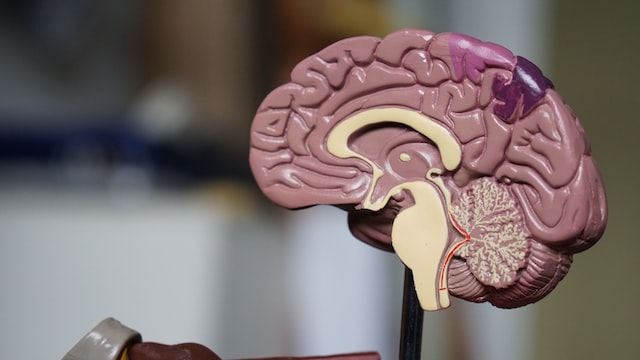
The brain receives signals from the whole body. The signals are from the eyes, nerves, structures in the inner ear, and nerves. The brain uses these signals to help it understand where the body is in space. The brain stem and a small area of the brain nearby are functioning parts in body position and balance.
Why and How Dizziness Happens
Dizziness happens when the signals do not reach the brain, are split up, or the brain doesn’t read them correctly. It could be due to dehydration or medical problems.
The elderly are more likely to have problems that can lead to dizziness. This is typically due to changes in eyesight, the inner ear, or medical conditions such as low blood pressure. Also, older adults could experience changes in blood flow to the brain. This can affect how the brain works.
Several Reasons
Seniors can have one or more conditions that may cause dizziness. Some medicine could cause dizziness, and the elderly are probably taking one or more of these medicines. This raises the risk of dizziness in seniors and makes it difficult to pinpoint a cause.
Conditions that increase the risk of dizziness include:
- Dehydration
- Diabetes
- Migraines
- Anxiety
- Head trauma
- Arthritis
- Heart problems
- Smoking
- Neurological disorders
Blood flow problems could cause lightheadedness, resulting in dizziness. This might occur with:
- Low blood pressure
- Heart issues
- Hypertension
- Poor blood flow
Dizziness that occurs at a certain time of the day could be due to specific medications. Several medicines can cause dizziness. They are:
- Heart meds like beta blockers, nitrates, and alpha blockers
- Central nervous system meds like tricyclic antidepressants, opioids, and drugs to treat Parkinson's disease
- Erectile dysfunction meds
Do Not Suffer in Silence
Dizziness is not a customary part of aging. It’s an indicator that something isn’t functioning correctly.
If you’re experiencing dizzy spells, talk to your physician. Keep track of when the dizziness happens and what you were doing before you felt dizzy. Explain how you were feeling and if you took any medicine. Your doctor can get the dizziness under check.
Dizziness and Seniors
As you get older, your risk for conditions like dizziness increases. The reason for this is dizziness is an indication of other health issues common with getting older.
One main reason is a change in your blood pressure. As you grow old, your heart isn’t as efficient at moving blood through your body. If you stand up too fast, your blood pressure could immediately drop. If your blood pressure change is the reason for your getting dizzy, it should last no more than a few minutes. When your blood pressure goes back to normal, your dizziness disappears.
If your dizziness is disrupting your daily life, schedule an appointment with us to discuss dizziness treatment options that will get you back to your normal way of life.
How Do You Know if Dizziness is Serious?
Usually, getting dizzy is not a cause for alarm. However, it could be a sign of a critical underlying problem. If you suddenly feel dizzy and the dizziness lasts over 10 minutes, you should seek medical attention.
Many of us get dizzy occasionally. For example, you stand up too fast and get dizzy. You skip breakfast and lunch, leaving you feeling lightheaded by early evening.
The lightheadedness could be so severe, you feel like you’re going to faint. Dizziness is a term used to explain the feeling off-balance or lightheaded. It’s a minor setback that is over when you lie down. However, if you experience other symptoms along with dizziness, it could be a sign of a more serious health issue.
Causes of Dizziness
Dizziness can be caused by:
- A quick drop in blood pressure (like when you stand up too fast)
- Medications
- Illness
- Stress
- Infection
- Anemia
- Heavy periods
- Allergies
- Dehydration
Also, if you feel dizzy along with numbness or slurred speech, that's a red flag of a serious health problem.
When Dizziness May Be Serious
Dizziness by itself is typically not a reason for concern, particularly if it only lasts a few minutes. However, if you have additional symptoms or are fainting, you should speak with a physician. Other signs that your dizziness could be a sign of a more serious health problem include:
- Stiff neck
- Difficulty walking
- Shortness of breath
- Fever
- Falling
- Chest pain
- Symptoms of a stroke
If you have a hard time moving your legs and arms, or experience double vision, you should get to the emergency room immediately. Dizziness along with back pain or shortness of breath are signs of a heart attack.
Treating Common Dizziness
Generally, the best way to remedy a minor bout of dizziness is to lie down and rest. You can also drink some water or eat a light snack. If the room is spinning, find an object and continuously stare at it. This should ease your vertigo.
If your dizziness doesn't go away after these remedies, something more serious might be at play and you should talk with your doctor. Also, even though one or two episodes of minor dizziness are somewhat normal, if you have regular bouts of dizziness, you should make an appointment with a medical professional who specializes in dizziness treatment.
Preventing Dizziness
Keeping a healthy weight, living a healthy lifestyle, and not smoking may help minimize the feeling of dizziness, as well as avert more severe issues. Be sure to meet with your physician if you frequently have dizzy spells. You must tell precisely what your dizziness feels like. The more specific you are, the better your doctor will be able to diagnose the underlying health problem.
Diagnosing Dizziness
When it comes to diagnosing dizziness, your doctor will perform an examination and ask you about your symptoms and their frequency of them. Make sure to tell your doctor about any medications that you are taking as well. You might also need to take a blood test, a hearing test, a balance test, as well as other tests to check your heart and blood vessels.