woman lying

What are the Initial Steps Taken in Treating a Brain Injury?

A concussion is a type of brain injury. Someone may sustain a concussion after experiencing a fall or being struck by an object. A concussion may also occur as a result of whiplash or blast injuries, which are common in war zones.

A concussion results in temporary loss of normal functioning. People may exhibit changes in their memory, judgment, balance, coordination, and other areas. Timely treatment can help people with concussions heal the brain and restore functioning.

In some cases, people may have lingering effects of a concussion or brain injury. In these cases, integrative therapies may help people recover functioning and feel more like themselves again.

This article will explore the initial steps people should take to treat a brain injury. You will learn:

  • The symptoms of a concussion
  • How medical specialists diagnose a concussion
  • What initial treatments people may use after sustaining a brain injury
  • Innovative treatment that can help people move forward after brain injury
  • Where to find concussion treatment in Midland

Contact the specialists at The Hartman Center to explore our holistic approach to brain injury treatment. We are happy to answer your questions or help you schedule an appointment.

Symptoms of a Concussion

Recognizing the symptoms is one of the most important aspects of treating a concussion. Even mild concussions can cause significant symptoms and require treatment. Sustaining a second concussion within a short period of the first can cause permanent damage that cannot be treated.

Some common symptoms of concussion include:

  • Headache
  • Double vision
  • Dizziness
  • Memory loss
  • Ringing in the ears
  • Impaired concentration
  • Nausea or vomiting
  • Confusion
  • Blurry vision
  • Difficulty falling asleep
  • Loss of sense of smell or taste

If you or a loved one experiences any of these symptoms after an accident, fall, or blow to the head, consult your doctor to determine if concussion treatment is necessary.

While most people with mild concussions recover completely in a short period, some people have symptoms that last for weeks, including:

  • A headache that does not go away
  • Seizures
  • Extreme nausea and vomiting
  • Difficulty waking up
  • Slurred speech
  • Poor coordination
  • Weakness
  • Numbness
  • Loss of consciousness
  • A history of multiple concussions

If you experience any of these symptoms or your symptoms do not improve in 10 to 14 days, you must seek immediate medical attention.

Diagnosing a Concussion

Prompt, correct diagnosis is essential in treating a concussion. There are several ways doctors evaluate people for concussions. Here is an overview of the diagnostic process.

Neurological exam

Your medical provider will thoroughly assess your symptoms and perform a neurological exam. This examination includes checking:

  • Vision
  • Reflexes
  • Balance
  • Strength
  • Sensation
  • Hearing
  • Coordination

This examination will give your medical team information about your neurological symptoms. It is an essential piece of providing holistic treatment.

Imaging tests

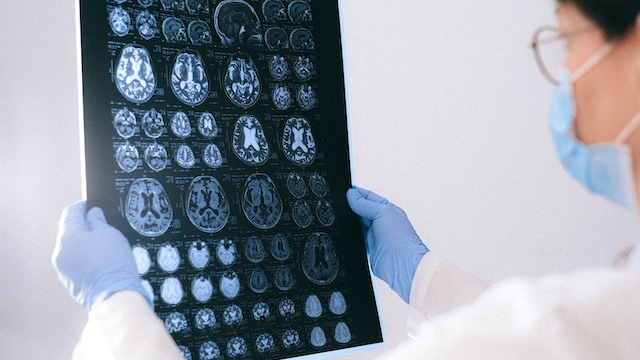
Your doctor may recommend brain imaging tests if you have seizures, severe headaches, extreme nausea, or other worsening symptoms. This type of testing can determine if the brain injury has resulted in swelling or bleeding inside the skull.

A computerized tomography (CT) scan uses several X-rays to look at cross-sections of the brain and skull. Doctors may recommend this test for adults immediately after a brain injury occurs.

If you are experiencing long-lasting concussion symptoms, your doctor may recommend magnetic resonance imaging (MRI). This type of test uses radio waves and magnets to create detailed pictures of your brain.

Cognitive testing

Your doctor may perform a series of tests to assess cognitive effects. These tests will evaluate your concentration,  memory, and ability to recall information.

Observation

Depending on your symptoms and other factors, your doctor may ask you to stay in the hospital for observation. Or, you may return home with instructions on how to evaluate your symptoms. If you return home, you must ensure you have someone with you for at least 24 hours. You must alert your medical provider if your symptoms do not improve.

Any concussion can cause symptoms and impair functioning. Recognizing the symptoms and seeking treatment is essential to your long-term recovery.

Initial Treatment for Brain Injury

Many people with mild brain injuries are able to recover quickly at home. However, your doctor will likely recommend a protocol to help your brain recover and heal completely. Here is an overview of some initial treatments for brain injury.

Rest

Your doctor may recommend that you rest your body and brain as much as possible for several days after sustaining a concussion. You do not have to stay in a darkened room in bed–in fact, this may impair your recovery. Instead, limit physical exertion, sports, and things that require focus or attention. This may mean giving up reading, video games, schoolwork, and TV.

After at least 48 hours of relative rest, your doctor may allow you to increase your activity gradually. You may have to adjust your work or school days and continue to avoid vigorous physical activity, including sports. You must also take extreme caution to avoid activities that put you at risk of another concussion.

You will work with your doctor to create a plan allowing you to resume everyday activities. In most cases, people recover completely from a concussion in a relatively short period. Following your healthcare team’s instructions can help you have a quick, complete recovery.

Pain relief

You may experience headaches for days or weeks after sustaining a concussion. Ask your doctor about safe pain relief options. It is unsafe to take Ibuprofen because it might increase your risk of bleeding. Your doctor may advise you to use Tylenol or other drugs to manage pain during concussion recovery.

Gradual return to your routine

As your symptoms begin to improve, your doctor may give you the green light to return to typical daily activities. Your healthcare team will advise you when it is safe to go back to work, play sports, and do other activities. Giving your brain and body a chance to heal is important, so do not rush this process.

Most people recover from concussion symptoms in days or weeks. Follow your doctor’s advice and watch for new or worsening symptoms as time goes on.

What is Post-Concussion Syndrome?

Post-concussion syndrome (PCS) is a condition that results in long-lasting concussion symptoms. People with PCS may experience symptoms of a concussion that last up to a year after the initial event.

Some factors increase a person’s likelihood of developing PCS. These include:

  • A complex concussion that involves bleeding insdie the brain, skull fracture, or midline shift of the brain
  • Severe concussion symptoms
  • A history of mental health conditions, including anxiety, bipolar disorder, and depression
  • A history of head injuries and concussions
  • A history of other conditions affecting the brain, including attention-deficit hyperactivity disorder (ADHD) and learning difficulties

People with PSC may experience physical, behavioral, sensory, and psychological symptoms. Here is an overview of the symptoms of post-concussion syndrome.

Physical symptoms of PCS

  • Fatigue
  • Nausea
  • Sleep changes–sleeping too much or experiencing insomnia
  • Poor coordination
    Headaches

Mental symptoms of PCS

  • Mental fog
  • Sluggish or slow thinking
  • Memory loss
  • Difficulty concentrating

Sensory symptoms of PCS

  • Double vision
  • Sensitivity to sound
  • Difficulty tracking objects
  • Trouble seeing things up close
  • Seeing stars
  • Vertigo
  • Difficulty with night vision
  • Difficulty with reading
  • Sensitivity to light

Behavioral symptoms of PCS

  • Uncharacteristic sadness
  • Depression
  • Thoughts of self-harm or suicide
  • Mood swings
  • Irritability
  • Anxiety
  • Agitation or restlessness

People with PCS may have very mild symptoms, or they may experience significant impairment. It is important to watch for new or worsening symptoms and consult a healthcare professional right away.

Post-concussion syndrome may respond well to treatment. There are several innovative, holistic therapies that can help people manage the lingering symptoms of concussion and restore functioning.

What Treatments Can Improve Functioning After Brain Injury?

The Hartman Center offers a range of treatments that can help people reduce the lasting effects of concussion and brain injury, as well as other conditions affecting the brain. Our specialists can also perform diagnostic testing that can identify the roots of specific symptoms and allow us to create the most effective treatment plan possible.

Functional neurology is a holistic approach to restoring brain function after sustaining a concussion. This therapeutic approach uses several therapies to restore brain and nervous system balance. Therapies include:

  • Chiropractic care
  • Physical therapy and rehabilitation
  • Vestibular/balance therapy
  • Visual therapy
  • Cognitive rehabilitation
  • Functional medicine

A functional neurological approach can increase the effectiveness of the brain’s frontal lobe, which can increase your focus and attention. Focusing on healing the brain and body at the same time can lead to better healing and improved outcomes.

Reach out to the dedicated team at The Hartman Center to explore this and other holistic treatment methods.

Find Concussion Treatment

If you or a loved one require concussion treatment Midland, contact The Hartman Center to explore our integrative treatment and support programs. Our knowledgeable practitioners will work with you to find the best solution for your unique needs. Reach out today to learn more or schedule an appointment.


What is Cognitive Processing Therapy?

What is Cognitive Processing Therapy?

Living with post-traumatic stress disorder (PTSD) can be challenging. People with PTSD must receive comprehensive treatment that can give them the tools to manage their symptoms and improve functioning. People living with PTSD and traumatic brain injury (TBI) may benefit from specialized treatment for both conditions simultaneously. 

Cognitive processing therapy (CPT) is a therapeutic approach designed to help people with PTSD and TBI manage the symptoms related to these conditions. People in CPT receive tailored, compassionate treatment that can help them cope with PTSD and live healthier, more comfortable lives.

This article will explore what cognitive processing therapy is and how it works. You will learn:

  • How PTSD occurs
  • How to recognize the symptoms of PTSD
  • How traumatic brain injuries occur
  • What CPT is
  • What to expect during cognitive processing therapy
  • The benefits of using cognitive processing therapy for PTSD and TBI
  • Where to find help


If you or someone you love lives with PTSD, a brain injury, or another condition affecting cognition, contact The Hartman Center specialists to learn about our effective treatment programs. 

What is Post-Traumatic Stress Disorder?

Post-traumatic stress disorder (PTSD) is a mental health condition that can occur after a person experiences a traumatic event. Research from the National Center for PTSD showed that about 8% of people in the United States will develop post-traumatic stress at some point in their lifetime. 

Any highly stressful or dangerous event can cause someone to develop lingering symptoms of trauma. Trauma is psychological harm that results from an overwhelming amount of stress or anxiety. 

While the event occurs, people may become overwhelmed by stress that prevents them from coping. Common events that may trigger PTSD include:

  • Car accidents
  • Military combat
  • A physical or sexual assault
  • Being the victim of childhood abuse or neglect
  • A life-threatening medical diagnosis
  • Witnessing a serious accident or death
  • Surviving a natural disaster


Some people develop symptoms of PTSD immediately after experiencing a stressful event. Others may not develop symptoms for weeks, months, or years after the event. 

Symptoms of PTSD include:

  • Avoiding places, people, or activities that remind the person of the stressful event
  • Insomnia or other sleep issues
  • Feeling emotionally numb
  • Experiencing flashbacks of the event–essentially re-living the event as though it is happening again
  • Having nightmares about the event
  • Poor concentration
  • Mood swings
  • Anger or aggression
  • Hypervigilance (feeling “on guard” all the time)
  • Being startled easily


Without treatment for PTSD, people can struggle to function. Their symptoms may disrupt their functioning. Many with post-traumatic stress disorder struggle with anxiety, depression, and other mental health symptoms.

Living with untreated PTSD may also increase the risk of substance abuse and addiction. People may “self-medicate” with drugs or alcohol in order to function or cope with challenging symptoms.

People with PTSD require comprehensive treatment to manage their symptoms and restore functioning. Treatment for post-traumatic stress disorder may include medications and specialized therapy. 

What is a Traumatic Brain Injury?

A traumatic brain injury (TBI) may occur when an external force harms the brain. The injury’s damage may be isolated to one part of the brain or may be present in multiple areas of the brain. 

The severity of a traumatic brain injury can range from a mild concussion to a life-threatening injury. A TBI may be closed, meaning the skull remains intact, or penetrating, meaning an object enters the brain through the skull. 

People who experience TBI may live with cognitive, psychological, and physical effects, including:

  • Impaired judgment
  • Decreased attention span
  • Memory issues
  • Poor coordination or balance
  • Loss of endurance
  • Decreased or heightened physical sensitivity 
  • Challenges in speaking or understanding speech
  • Difficulty identifying objects

Brain injuries can range from mild to severe, and the symptoms can vary from person to person or change over time. 

Treatment, including specialized therapies, can help people maintain or improve functioning and increase their quality of life. 

What is Cognitive Processing Therapy?

Cognitive processing therapy (CPT) is a type of therapy designed to help people with PTSD process trauma. CPT practitioners believe that people’s thoughts, emotions, and beliefs about their trauma can prevent them from recovering naturally after a traumatic event. 

Cognitive processing therapy helps people examine their thoughts about the trauma and explore new ways to consider it. People can recover from trauma by learning to think clearly about it more completely. 

Cognitive processing therapy can be helpful in treating people with both PTSD and traumatic brain injury (TBI). 

What are the Goals of CPT?

Cognitive processing therapy typically consists of individual and group therapy sessions. During therapy sessions, clients and trained practitioners work toward specific goals related to managing TBI and PTSD symptoms. 

Here is an overview of the goals of cognitive processing therapy. 

Reflect

Clients work with a therapist to learn more about the effects of post-traumatic stress disorder. They examine the way trauma affects their thoughts and emotions. Through processing and exercises, people decrease avoidant behaviors and experience more positive emotions.

Redefine

People with TBI and PTSD may get “stuck” in their negative beliefs or emotions. In cognitive processing therapy, people learn new skills that allow them to examine their thoughts objectively. They learn to consider other views of their trauma. Over time, they may create new, more positive thoughts about themselves. 

Recover

In CPT, people learn practical skills to improve daily functioning. They develop better stress tolerance, reduce negative emotions, and experience less distress around memories of the traumatic event. 

Cognitive processing therapy allows people to process and understand their thoughts and feelings surrounding a traumatic event. It also provides the opportunity to develop practical coping skills that can have a profound, positive impact on daily functioning. 

What to Expect from Cognitive Processing Therapy

Cognitive processing therapy can occur in many settings, including online and in-person sessions. During CPT sessions, clients work with a therapist one-on-one or in groups. 

Typically, cognitive processing sessions last approximately 12 weeks. During this time, people engage in talk therapy and therapeutic exercises to:

  • Understand common beliefs that develop after a trauma
  • Explore ideas about self-worth, safety, trust, and more
  • Identify and reframe destructive thoughts
  • Write the story of traumatic experiences
  • Rewrite the story of the traumatic event
  • Discover a balance between their beliefs before and after experiencing a trauma


Some therapists ask clients to write a statement about how and why their trauma occurred. Clients may complete at-home assignments as part of their cognitive processing therapy. 

Participating in CPT can help people explore and change their thoughts and behaviors, allowing them to improve functioning. 

The Benefits of Using Cognitive Processing Therapy for PTSD and TBI

There are many benefits associated with using cognitive processing therapy for TBI and post-traumatic stress disorder. People who participate in CPT explore their thoughts and emotions in a meaningful way, allowing them to move forward without the destructive effects of PTSD. 

People living with PTSD and TBI can benefit from integrating CPT into their treatment plans. Some of the most significant benefits of CPT include:

  • A deeper understanding of the effects of trauma
  • Exploring and identifying the symptoms of trauma
  • More awareness of how thoughts impact behaviors
  • Recognizing “stuck points” and learning to move forward
  • Learning new skills to challenge negative beliefs and emotions
  • Recognizing common patterns
  • Fewer negative emotions and thoughts
  • Reduction in harmful behaviors, including substance use


Cognitive processing therapy can help people living with traumatic brain injury and post-traumatic stress disorder reduce symptoms and restore daily functioning. 

Is Cognitive Processing Therapy Effective?

Many mental health and medical experts consider cognitive processing therapy to be an effective treatment for post-traumatic stress disorder. Research shows that engaging in CPT can reduce PTSD symptoms. 

Some studies suggest that CPT is more effective at reducing depression related to PTSD than other forms of therapy. Cognitive processing therapy can positively impact people’s mental health by helping them process emotions and learn practical skills to support their long-term emotional well-being. 

People who participate in CPT as part of TBI or PTSD treatment report improvements in many aspects of daily functioning, including:

  • Feelings of safety
  • Healthier relationships and improved intimacy
  • More distress tolerance
  • Better trust in themselves and others
  • Higher rates of happiness and satisfaction
  • Improved self-esteem


Some people experience worsening PTSD symptoms during the initial stages of cognitive processing therapy. Working with a licensed mental health or medical provider while participating in CPT is critical. 

People with TBI who may benefit from cognitive processing therapy must seek treatment from a licensed medical practitioner who can determine if this approach is suitable for their needs. 

Find Brain Injury Treatment Now

If you or someone you love has a traumatic brain injury and requires brain injury treatment Midland Park, reach out to the specialists at The Hartman Center to explore our programs. Our comprehensive, convenient treatment plans can help you restore functioning and feel more like yourself after a brain injury. 

Contact our intake specialists now to learn about our programs or to schedule an intake assessment. 


What Activities Should I Avoid During Concussion Recovery?

A concussion is a type of brain injury that may occur after a blow or jolt to the head. Any event that causes the brain to bounce or twist inside the skull can cause a concussion, including being hit by an object, falling, or hitting your head against something stationary. When a concussion occurs, the brain’s movement can cause chemical changes in the brain. Brain cells may also become stretched or otherwise damaged.

Doctors often classify a concussion as a mild brain injury because they are generally not life-threatening. However, people may experience uncomfortable, disruptive symptoms that interfere with their ability to think and function.

If you sustain a concussion, you are likely to have a complete recovery. During your recovery, it’s critical to avoid some activities to give your brain a chance to heal. This article will detail activities you should avoid during concussion recovery and other ways you can heal after a head injury.

The Hartman Center offers a range of treatment programs to help you heal after a concussion and other brain injuries. Contact our team today to learn more about improving cognition and functioning.

Symptoms of a Concussion

Concussion symptoms can vary depending on the severity of the head injury. In some cases, concussion symptoms can be mild and may not appear until well after the event that caused the injury.

The most common symptoms of a concussion are:

  • Headache
  • Confusion
  • Amnesia (memory loss)

People may be unable to remember the event that caused their brain injury. They may have physical symptoms of a concussion, including:

  • Ringing in the ears
  • Nausea
  • Vomiting
  • Headache
  • Fatigue
  • Blurry vision
  • “Seeing stars” or dizziness
  • Foggy thinking

People who have sustained a concussion may look dazed, seem confused, or lose consciousness for a few moments after the injury. They may be forgetful or repeat questions.

Some symptoms of a concussion may take more time to develop. In the days after a concussion, people may experience symptoms that include:

  • Problems with memory and concentration
  • Sensitivity to light and sound
  • Sleep disturbances
  • Changes in their sense of smell and taste
  • Irritability or other changes in personality

Children may have slightly different symptoms. Some of the symptoms of a concussion in children include:

  • Low energy or listlessness
  • Dazed appearance
  • Unsteady walking or poor balance
  • Loss of interest in toys or activities
  • Vomiting
  • Changes in appetite and sleep
  • Excessive crying
  • Seizures

If your child experiences a head injury and has symptoms of a concussion, see a doctor within 48 hours, even if they do not require emergency care at the time of the incident.

Symptoms of a concussion may last for days, weeks, or even longer. It is essential to follow your medical specialist’s advice during your recovery and avoid activities that could impair your healing.

Activities to Avoid During Concussion Recovery

When recovering from a concussion, rest and minimal stimulation are essential. Here are several activities to avoid during recovery from a concussion.

Driving

Do not drive during concussion recovery, especially if you are taking any prescription medications during this period. Driving can be too taxing on the brain because it requires higher levels of processing and thought, and your reaction time may be slower than usual.

Playing sports and exercising

A brain injury is just that–an injury. Even though you can’t see the damage your brain has sustained, it is very real and needs time to heal. Working out or playing sports can also increase your risk of a blow to the head or jolting that could cause further injury.  Avoid strenuous exercise and do not play sports during concussion recovery.

Caffeine

People with a concussion may experience fatigue or “brain fog,” which makes them want to reach for coffee and energy drinks more often. However, consuming too much caffeine during concussion recovery can prevent your brain from healing. Caffeine constricts blood vessels, which reduces vital blood flow to the brain. Talk to your doctor about how much caffeine, if any, is safe during concussion recovery.

Ultra-processed foods

Ultra-processed foods like fast food, chips, baked goods, and sugary snacks can cause inflammation throughout the body and prevent your body and brain from healing after a concussion. Avoid them as much as possible during concussion recovery. Instead, focus on eating a balanced diet full of nutrient-rich whole foods, such as fatty fish, nuts, fresh fruit and vegetables, and whole grains.

Stress

Stress is a part of everyday living. From getting stuck in traffic to managing a heavy workload, most people experience unavoidable periods of stress throughout their day. During concussion recovery, it’s important to limit stress whenever you can. Avoid loud music and other noises, stay away from crowded locations, and don’t have visitors. Keep your environment as quiet and calm as possible so your brain can relax and heal.

Screens

Looking at and interacting with screens can strain your eyes and brain. Limit your time on any type of screen, including smartphones, TVs, tablets, and computers. Avoid social media sites as they encourage mindless scrolling that can be overstimulating or stressful.

Long conversations

You may have difficulty processing information and emotions in the days or weeks after a concussion. The work of holding long conversations may be too stressful for your brain. Keep your interactions with others as brief as possible, and avoid having discussions on the phone altogether.

Over-the-counter medications

Talk to your doctor about any OTC medications you want to take, including Tylenol and Ibuprofen. In some cases, everyday medications can interfere with your body’s ability to heal, so stop taking all OTC medications until your doctor gives them the OK.

Things You Can Do to Support Concussion Recovery

In most cases, a concussion will heal in 7-10 days. Here are some practical things you can do to allow your brain to heal and limit concussion symptoms.

Sleep

Your brain needs rest more than ever after sustaining a concussion. Aim for 8 hours of sleep each night and take naps during the day if you get tired. Keep your sleeping room cool, dark, and as quiet as possible for the deepest, most restorative rest.

Hydrate

Your brain is almost 75% water, and staying hydrated can help it heal better. Drinking enough water can flush away built-up toxins and help you feel as mentally clear as possible as you recover from a concussion.

Unplug

Give yourself a break from all electronic devices, including computers, TVs, and smartphones. For some, this may mean taking a break from work or changing how you work. This break from technology is crucial. Unplug and relax as much as possible while healing from a concussion.

Ask for help

It may be difficult to process information, and your thinking may feel fuzzier than usual. Ask a friend or loved one to help you keep track of doctor’s instructions, appointments, and other important information until your cognition and memory return to normal.

Work toward independence

While it’s crucial to rest and recover, you may also need to work toward regaining your independence. If you struggle with a task, do not give up right away. Continuing to work on a problem–even if it’s frustrating–can help improve your ability to solve problems. Ask your caregivers to be patient with you while you take time to answer questions or work out an issue.

Finding a good balance of rest and activity is essential while recovering from a concussion. Listen to your body, nurture your whole-body health, and ask for the help you need as you let your brain heal.

Avoiding Second Impact Syndrome (SIS)

Getting adequate sleep, eating well, and avoiding excessive stimulation are all excellent ways to help your brain heal after a concussion. These activities can allow your body the time and rest it needs to heal itself, allowing you to move on as quickly as possible.

One of the most important aspects of healing after a concussion is avoiding a second concussion. Sustaining a second concussion shortly after the first can have dangerous–even life-threatening–consequences. A second concussion can happen if someone falls and hits their head, is hit with an object, is involved in a car accident, or any other situation that causes trauma to the head.

Second impact syndrome (SIS) can occur when another concussion occurs before the first one has fully healed. When this happens, the brain may lose its ability to self-regulate blood volume and pressure. It can swell rapidly, causing it to strain against the inside of the skull, which may result in a dangerous loss of blood flow. People with SIS may face severe, permanent disabilities or death.

The risk of SIS is another reason to take concussion recovery seriously. Limiting activities that require balance and coordination, resting, and asking for help when you need it are all great ways to help yourself heal and limit the risk of sustaining a second concussion during your recovery period.

Find Concussion Treatment Now

The Hartman Center offers safe, effective concussion treatment programs to help you regain cognitive function quickly after a head injury. Contact our specialists to learn about starting one of our supportive programs today.


Can I Continue to Work or Go to School While Recovering From a Concussion

Can I Continue to Work or Go to School While Recovering From a Concussion?

Most people who sustain a concussion will see their initial symptoms disappear in two to four weeks. Rarely some people will have lingering symptoms for six weeks or more. However, each concussion is different, and recovery timelines can vary depending on various factors.

Many wonder if they can return to work or school while recovering from a concussion. This guide will explore a typical timeline for concussion recovery and how to determine when it’s right to return to your daily routines.

Reach out to the Hartman Center specialists to learn about the effective concussion treatment options we offer.

Understanding the Symptoms of a Concussion

Each person has their own experience with concussion recovery. However, many people with a concussion experience similar symptoms that include:

  • Nausea
  • Headache
  • Fatigue
  • Poor balance
  • Vision changes
  • Changes in mood
  • Sensitivity to light and sound
  • Changes in sleeping habits
  • Difficulty with concentration and thinking

At times, the symptoms of a concussion won’t show up until days–or even weeks–after the injury occurs.

Can I Work or Go to School During Concussion Recovery?

Immediately after sustaining a concussion, limiting all stimulating activities is essential. Most medical professionals recommend that people rest for one to three days, which allows their brains to avoid further strain and begin to heal.

People should not work or attend school during this initial rest period. They should not take any medications unless their doctor tells them to and must have continuous supervision for the first 48 hours.

People with a concussion must consult with their doctor before returning to regular activities, such as:

  • Driving a car
  • Returning to work
  • Making major decisions
  • Traveling by airplane
  • Drinking alcohol
  • Playing sports

It’s critical to ensure concussion recovery is progressing before people engage in activities that could stress the brain. Your ability to return to work or school may depend in part on what activities you perform as part of your job.

Steps That Support Concussion Recovery

Your concussion recovery will take time and patience, but there are some simple things you can do to improve healing. These include:

  • Prioritize rest and sleep. Take frequent breaks throughout the day, especially after doing things that may stress your brain and body.
  • Eat a healthy, nutrient-rich diet and drink plenty of fluids. Good nutrition and hydration are crucial aspects of healing after a concussion.
  • Take time away from playing sports until your recovery is complete. Avoiding strenuous activity allows your brain and body to heal and limits the chance of further injuries.
  • Limit screen time. Staring at a screen may strain your eyes and worsen headaches.
  • Treat your nausea with ginger. Ginger ale, candies, and chews can help settle your stomach and relieve persistent nausea.
  • Be patient as your body and brain heal. Full recovery can take time, but you will likely make a complete recovery.

Take good care of yourself and seek treatment for new or lingering symptoms.

Find Concussion Treatment Now

If you or someone you love needs effective concussion treatment, reach out to the Hartman Center specialists to explore our programs. Find the support and care you need by contacting us today.


What to Do Immediately After a Concussion?

Sustaining a concussion can be a frightening experience, and it's crucial to know how to respond promptly to minimize its impact on your health. Whether it occurs during a sports activity, a fall, or an accident, a concussion requires immediate attention and appropriate concussion treatment. This blog aims to guide you through the essential steps to take following a concussion.

Seek Medical Attention

As soon as you suspect a concussion, it's vital to consult a healthcare professional who specializes in concussion treatment. Prompt medical evaluation will ensure an accurate diagnosis, proper management, and guidance throughout your recovery journey.

Rest and Avoid Physical Exertion

Resting both physically and mentally is crucial in the early stages of concussion treatment. Limiting physical activities, especially those that could put you at risk of further head injury, is essential. It's advisable to take time off work or school to allow your brain to heal properly. Engaging in mentally stimulating activities, including reading, watching television, or using electronic devices, should also be minimized to promote healing.

Observe Symptom Management Strategies

Concussions can manifest in various symptoms, including headache, dizziness, nausea, sensitivity to light and noise, and difficulty concentrating. Employing symptom management strategies can significantly alleviate your discomfort. Over-the-counter pain relievers can help with headache relief under the guidance of your healthcare provider. However it is important to avoid using aspirin or ibuprofen, as they can increase the risk of bleeding.

Engage in Cognitive Rest

Concussions can disrupt your cognitive abilities, affecting your memory, attention, and thinking skills. Engaging in cognitive rest is crucial during the early stages of concussion treatment. Avoid mentally demanding tasks, such as studying, working on complex projects, or excessive screen time. Instead, focus on low-intensity activities like light reading, listening to music, or engaging in calming hobbies.

Gradual Return to Activity

After the initial rest period, your healthcare provider will guide you through a gradual return to normal activity. This structured approach allows your brain to recover while gradually reintroducing physical and cognitive activities. It's essential to follow these guidelines meticulously to avoid setbacks in your recovery. An experienced healthcare provider such as The Hartman Center, will assess your progress at each stage and make necessary adjustments.

Communicate with Your Healthcare Provider

Open communication with your healthcare provider is key throughout your concussion treatment. Share any changes in symptoms, concerns, or challenges you may be experiencing. Your healthcare provider will provide the necessary guidance and support, ensuring a smooth recovery process. Be proactive in seeking clarification and adhering to the recommended treatment plan.

Follow a Healthy Lifestyle

Maintaining a healthy lifestyle can positively impact your recovery from a concussion. Ensure you eat nutritious meals, stay hydrated, and get sufficient sleep. Avoid alcohol and recreational drugs, as they can interfere with the healing process. Additionally, consider incorporating stress management techniques like meditation or gentle exercise to support your overall well-being.

In conclusion, suffering a concussion can be a disorienting experience, but with the right steps, guidance, and concussion treatment, you can navigate your way back to health. Healthcare providers like The Hartman Center, have medical professionals who specialize in concussion treatment, providing the expertise and care you need. By seeking immediate medical attention, following a structured recovery plan, and maintaining a healthy lifestyle, you can enhance your chances of a full and timely recovery. Remember, patience and adherence to the recommended protocols are vital to your well-being.

If you are looking for concussion treatment in Midland Park, look no further than The Hartman Center. We are a trusted healthcare provider specializing in treating concussion and traumatic brain injuries. Visit our website and schedule a consultation now.


What Happens When You Get a Concussion

What Happens When You Get a Concussion?

A concussion is a mild brain injury due to a violent jolt, blow to your head or bump. A headache is a common symptom. Symptoms typically resolve within two to three weeks. Recovery is different for everyone. Physical and mental rest, and slowly returning to regular activity are essential.

A single concussion typically doesn’t trigger permanent damage to your brain, but numerous concussions over time could result in fundamental changes in your brain.

Causes of a Concussion


Brain tissue is spongy and soft. It’s enclosed by cerebrospinal fluid, which serves as a cushion between the brain and the skull. Anything that causes a rapid, back-and-forth movement may cause your brain to bump around the inside of your skull. This brain movement injures brain cells and can produce chemical changes in the brain. Sports injuries, falls, and motor vehicle accidents are common causes of concussions. In children, most concussions occur when playing sports such as football, basketball, ice hockey, wrestling, or soccer.

These brain injuries briefly disrupt the normal function of your brain, resulting in the symptoms and signs of a concussion. 

Symptoms of a Concussion


The shaking or bumping brain movements can cause damage to your neurons–and may even cause them to stretch or break. Concussion symptoms typically emerge within minutes of the head injury. In some cases, symptoms could take hours to appear and may change over the course of several days. 

Symptoms of a concussion include:

  • Headache
  • Ringing in the ears
  • Nausea
  • Fatigue and drowsiness
  • Blurry vision

In some instances, a blood clot might develop form in the brain after a concussion occurs. A patient should be taken to the ER immediately if symptoms worsen or if the patient has: 

  • Headaches getting worse 
  • One pupil is bigger than the other
  • Seizures, neck pain, unusual behavioral changes
  • Weakness or numbness in arms or leg

Luckily, your brain can heal and repair itself by rebuilding and strengthening neural pathways. Treatment can improve your concussion symptoms and enhance your quality of life. 

Treatment


Treatment for a concussion is based on the severity of your symptoms. Most concussions may be treated at home or with traditional medical methods. Treatments include:

  • Getting lots of rest
  • Drinking plenty of water
  • Over-the-counter pain relievers
  • Taking a break from sports
  • Don’t attempt to drive a vehicle
  • Avoiding alcohol
  • Giving your brain a rest by avoiding mental and visual stimulation

Effective Concussion Treatment for Successful Brain Recovery


As the top concussion treatment center in New Jersey, we are dedicated to helping our patients recover from a concussion by creating a unique treatment plan. If you or a loved one is suffering from a concussion or any type of brain injury, schedule a consultation with us today.


What are the Symptoms of a Slow Brain Bleed?

What are the Symptoms of a Slow Brain Bleed?

Slow bleeding in the brain, also known as a subdural hematoma, is a medical emergency due to the rupture of a vein or an artery that occurs because of trauma, abnormal pressure, or a deficiency in the blood vessel. 

A slow brain bleed could be due to a brain tumor, high blood pressure, or a brain aneurysm. Brain bleeding is the second most frequent cause of a stroke. Symptoms  of a slow brain bleed include weakness on one side of the body, head pain, and trouble with vision. A slow brain bleed is detected with imaging tests and could necessitate surgery to stop the bleeding and relieve the pressure on the brain.

Causes of a Slow Brain Bleed

The most common cause of slow brain bleeding is a head injury. People may sustain a head injury after a violent attack, fall, car crash, or other trauma. This sudden impact could pull the blood vessels within the dura, making them bleed and tear, or cause small arteries within the subdural space to break. Common reasons for a slow brain bleed are:

  • Head injuries 
  • Shrinking brain 
  • Cerebrospinal fluid leak 
  • Medicines to stop blood clots, like blood thinners and aspirin

As people age, the brain gradually becomes smaller. This enlarges the subdural space, making blood vessels more likely to break. In individuals over 50, a slow brain bleed could be present for a few days or weeks. 

Symptoms of a Slow Brain Bleed

A person may experience immediate (acute) symptoms of a slow brain bleed, or they may develop symptoms later–sometimes even days after the trauma that causes it.  Symptoms may include:

  • Walking or balance problems
  • Confusion and dizziness
  • Headaches
  • Vomiting or nausea 
  • Passing out (losing consciousness)
  • Speech and vision problems 
  • Numbness or weakness that comes and goes

Diagnosing a Slow Brain Bleed 

Medical professionals perform an MRI or CT scan to look for signs of bleeding in the brain. It is crucial to find the place of the bleeding. You might need to get more tests, like:

  • Blood tests to measure clotting and look for bleeding disorders
  • Blood tests to look for other reasons for your symptoms
  • A CT angiography to discover underlying issues

Treating a Slow Brain Bleed 

Physicians usually treat slow brain bleeds with surgery to alleviate pressure on the brain. Your doctor could use a selection of medical procedures to treat the bleeding. These include:

  • A craniotomy (cutting a flap of the skull open to remove the blood)
  • A burr hole (drilling a hole in the skull to let the blood drain)

If your brain bleed is small, physicians may observe it instead of doing surgery immediately. In this instance, you will likely remain in an intensive care unit. You might require:

  • Medicines to regulate symptoms
  • CT scans to observe the bleeding
  • Vitamin K therapy to reverse the effects of some blood-thinning medicines

When to Get Help 

Slow brain bleeding is a severe brain injury that requires immediate care. If you or a loved one requires brain injury treatment, call us to schedule an appointment as soon as possible.


How to diagnose a concussion

How to diagnose a concussion

A concussion is a type of mild traumatic brain injury (mTBI). Although typically not immediately life-threatening, concussions are considered very serious injuries and should be treated right away by a doctor. Someone suffering from a concussion can experience long-lasting effects that impact their cognitive function, including their memory, attention, or speech.

Though many people sustain concussions due to sports or other recreational activities — between one and three million, according to the CDC — many more go undiagnosed. With the impacts that this type of mild traumatic brain injury can have on a person’s long-term cognitive and physical health, it’s important to seek out a diagnosis for a concussion if you have sustained a serious head injury. 

Continue reading to learn more about the diagnostic procedures for a concussion, what happens if a concussion isn’t diagnosed properly, and where to find comprehensive concussion treatment

Concussion diagnostic procedures

Diagnosing a concussion isn’t always easy. These types of mild traumatic brain injuries cause microscopic deficits that are difficult to analyze. Though brain imaging studies like CT and MRI scans can identify structural damage, these tests rarely provide significant data that helps doctors diagnose the long-term cognitive damage of a concussion.

Since concussion symptoms vary, it’s important to share any unusual effects you’re feeling with your doctor. Be sure to report key information about how the head injury occurred and the location of the injury. This will help your doctor diagnose and treat your concussion. 

In the past, concussions were treated with a simple regimen of rest. However, studies indicate the long-term effects of mTBIs include serious repercussions on a patient’s cognitive processing and executive function. More comprehensive concussion treatment and cognitive brain therapy options are available for remediating cognitive dysfunction due to brain injury.

What happens if a concussion isn’t diagnosed properly?

Concussions that go undiagnosed can leave an even bigger impact on the individual’s mind and body. In the initial weeks to months after injury, an undiagnosed brain injury patient could develop post-concussive syndrome. Symptoms of post-concussive syndrome include headaches, dizziness, drowsiness, fatigue, mood swings or sudden changes in personality, and problems with memory and concentration.

If a concussion goes undiagnosed and the patient sustains another head injury before the first one is treated properly, they may also incur second impact syndrome. This causes severe, sometimes fatal, swelling of the brain. Though second impact syndrome is most likely to occur during a high-impact sport, any person who has sustained a mild TBI should remain cautious of this life-threatening condition.

Concussion Treatment Center

It’s important to get the right care and treatment for mild to acute brain injury symptoms. Be sure to look for the signs of a concussion and seek medical attention right away if you’ve sustained a serious brain injury. 

Long-term concussion care and cognitive remediation can be achieved through The Hartman Center’s specialized Brain Training program. Contact our team today to find out how we can help.


How long does a concussion last?

How long does a concussion last?

A type of mild traumatic brain injury, a concussion can occur when the brain is jarred due to a blow, bump, or jolt to the head. Concussions can be caused by many things, often falls, a hit to the head, or a sports injury. However a concussion occurs, it’s important to understand the signs and symptoms of one in order to pursue appropriate concussion treatment.

Treatment for a concussion looks different for everyone. Although invisible, this type of traumatic brain injury is serious and may cause long-term effects that impact the way the brain functions. This can cause cognitive deficits that impact a patient’s life, work, or education.

If you or a loved one have suffered a mild traumatic brain injury like a concussion, it’s important to consider your options for recovery. Keep reading to learn more about concussion symptoms, how long they last, and where to find long-term concussion treatment and care.

Concussion recovery times 

Recovery times vary, even for mild concussions. However, most healthcare professionals agree that typical, mild concussion symptoms will resolve between one to two weeks. However, caution is always advised for those participating in sports or high-impact physical activities. Take extra care and attention when returning to your normal routine, as you may still be in one of the following three concussion recovery time phases.

Acute Phase

The acute phase occurs during the initial one to two weeks following a concussion injury. You may experience symptoms like headaches, memory and focus issues, problems concentrating, visual impairment or light sensitivity, and more. 

Physical and mental rest are extremely important for the healing process since the brain is in a fragile state. You can help decrease some mental strain by avoiding screen-time like video games, texting, watching TV, and computer use. Additionally, decreasing work and homework can be beneficial to ensuring the brain is resting during this time.

Physical rest is just as important as mental rest. Physical activity should only be cleared by a healthcare provider since any additional injury to the brain could result in a life-threatening situation. Called second impact syndrome, this event occurs when even a minor second blow to the head happens before the initial concussion is fully healed.

Recovery Phase

After initial concussion symptoms start to subside, and post-concussion neurocognitive test scores show improvement, you’ll enter what’s called the “recovery phase.” Although the time frame is different for every patient, the recovery phase typically begins a few weeks following a concussion.

You can start to return to your normal schedule during the recovery phase, but there’s a few things to keep in mind. It’s important to keep monitoring symptoms like learning speed, memory, attention, and mental processing. It’s normal to experience some difficulties as your brain continues to heal, however, long-term chronic issues can sometimes occur. 

Chronic Phase 

If you are still dealing with cognitive functioning impairments weeks, months, or even years after a concussion, you may still be in the last recovery phase of a concussion. This long-lasting chronic phase often significantly impacts the lives of those who have suffered from mild to acute traumatic brain injuries. Chronic cognitive deficits caused by concussions can even increase the risk of other long-term degenerative diseases like dementia or chronic traumatic encephalopathy.

It’s important to find the right care and treatment for long-term concussion symptoms. If you or a family member are suffering from chronic concussion symptoms, contact The Hartman Center to find out about concussion and mild traumatic brain injury treatment options.


Concussion treatment for children

Concussion treatment for children

A type of mild traumatic brain injury, a concussion can occur any time the head forcibly moves back and forth, often during a blow to the head or fall. Concussions and other mild to acute traumatic brain injuries can cause damage to the brain’s cells, even triggering chemical changes that have lasting effects. 

If your child has sustained a concussion, there are plenty of short- and long-term concussion treatment for children options. Keep reading to learn more about how to identify a concussion and the best treatment options and care for your child’s mild traumatic brain injury. 

Top signs your child has a concussion 

There are a few key signs that your child has suffered a concussion. Remember that although some individuals lose consciousness after sustaining a mild traumatic brain injury, this is not true for all cases. A concussion could still be present in a child who has not fully lost consciousness.

A few signs and symptoms that typically present themselves right away after a fall, injury, or severe bump to the head include:

  • Your child starts to feel generally unwell
  • They may develop a headache, become confused, start saying things that don’t make sense, or not remember what happened
  • Your child could become dizzy, have trouble walking, or develop problems with their balance
  • They may have blurry or double vision
  • They could have nausea or start vomiting

Although many symptoms start occurring directly after a concussion, a few can take a few hours to set in. These might include a severe headache that slowly gets worse, seizures, or vomiting. If your child develops any of these concussion symptoms later on, passes out, or you notice anything else worrisome, head to the ER or contact your healthcare provider right away. 

Treatment options for mild concussions

When it comes to healing from a mild traumatic brain injury, each case is different. Working with a cognitive specialist to help your child find a balance between rest and activity can be a good start. Some symptoms may interfere with your child’s activities and typical schedule. It’s a good rule-of-thumb to start with less strenuous activities first and work up to regular scheduled activities within a few months. 

This simple guide can help your child return to normal cognitive functioning following a concussion.

1 to 2 days following a concussion: Rest is the most important at this stage. Be sure your child cuts down as much as possible on screen-time, however. Video games, TV, and social media scrolling can actually exacerbate symptoms.

 A few days to a week following a concussion: Returning to a few light activities is encouraged by this time. Monitor your child’s progress carefully and ensure they’re taking plenty of breaks or implementing lighter workloads depending on the severity of their symptoms. They should still avoid strenuous or stressful activities at this time.

Two weeks to a month. Depending on your child’s symptoms, they can go back to their regularly scheduled activities around this time. However, they should still ease into sports and other intense activities to avoid the possibility of further injury. Consider having them work with an athletic or physical trainer if returning to a specific sport.

For more information on programs that can help with concussions and mild or acute traumatic brain injury symptoms, contact The Hartman Center.