
The Best Treatments for Dizziness and Balance Problems
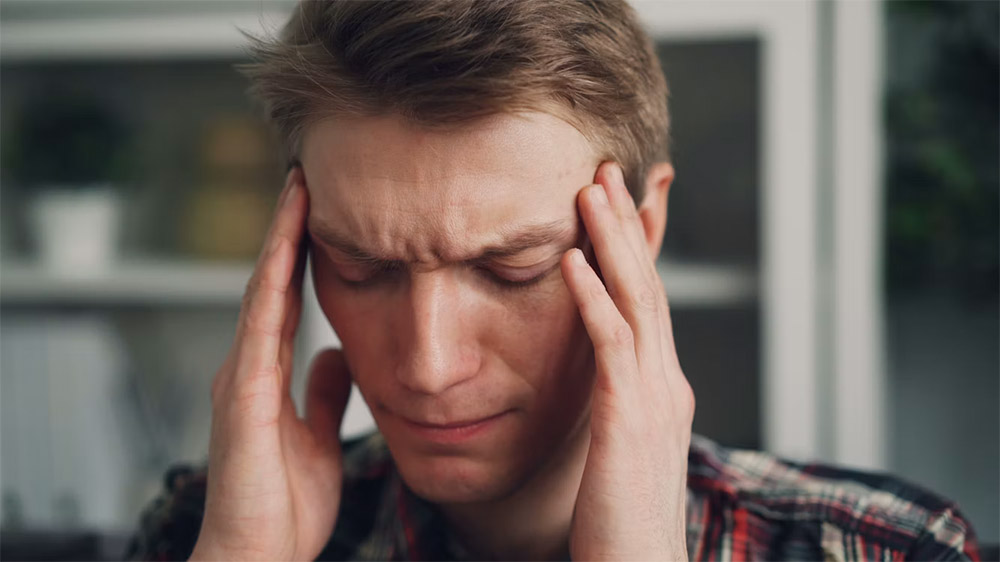
Dizziness can happen for many reasons. In some cases, it is temporary and passes after just a few moments. However, for some, dizziness is a troublesome symptom that significantly affects how they feel and function day-to-day. Stroke, concussion, and other conditions can lead to long-lasting or frequent dizziness that can keep people from living the full, healthy lives they deserve.
Fortunately, there are holistic, effective ways to address dizziness. Instead of simply treating the symptom of dizziness, holistic health practitioners look at the whole person, addressing the brain, body, and the connection between them. Thorough assessments and comprehensive treatment can help to relieve dizziness and improve a person’s functioning and quality of life.
This article will explore why dizziness may occur and the most effective ways to treat it. Learn more about dizziness treatment and find comprehensive care to restore your balance at The Hartman Center.
Dizziness: A Complex Symptom
Many people talk about dizziness casually, but this disruptive sensation can be very disruptive to a person’s life. So, what exactly is dizziness?
Dizziness is defined as an impairment of spatial orientation. Dizziness may feel like being lightheaded, disoriented, nauseated, or confused. People may perceive that the room is spinning or the ground is moving. During dizzy spells, people may feel as though they will faint, lose their balance, or fall down. People may need to sit or lie down to prevent a fall.
People may experience the sensation of dizziness when their sense of balance is disrupted. The body maintains balance by coordinating information from the eyes, ears, bodily tissues, and central nervous system. When something interferes with the communication from or between these sensors or systems, dizziness may occur.
Medications that impact the central nervous system, infections or structural changes in the inner ear, or neurological conditions are among the most common causes of dizziness. In some cases, it can be challenging to determine the exact cause of dizziness. However, holistic health practitioners can use a variety of innovative assessments to explore and treat conditions causing balance challenges or dizziness.
What Conditions Cause Dizziness?
Dizziness can be a symptom of several health conditions. In some cases, it may be difficult to determine the cause of dizziness with traditional medical testing. Thorough, comprehensive health assessments can help identify the root cause of frequent or severe dizziness.
Here is a quick overview of some of the conditions more commonly associated with dizziness.
Cognitive conditions
Diseases or injuries to the brain may affect a person’s cognitive functioning. People may experience a range of cognitive, emotional, or behavioral symptoms, including dizziness.
Some of the conditions affecting the brain that may lead to dizziness include:
- Parkinson’s disease
- Alzheimer’s and vascular dementia
- Multiple sclerosis
- Stroke
- Vestibular migraines
- Post-concussion syndrome
Traumatic brain injuries or diseases that affect the brain’s structure or function may cause cognitive symptoms, including dizziness. Even in cases when an MRI or CT appears normal, people may experience functional effects of these conditions. Specialized testing may be required to determine the cause of dizziness and which treatments are most likely to be effective.
Nerve damage
The central nervous system is involved in maintaining balance and positional awareness. Damage to certain nerves in the spine or inner ear may result in dizziness, vertigo, nausea, and balance problems.
Irregular heartbeat
An irregular heartbeat (arrhythmia) happens when the heart’s electrical signals malfunction. People with arrhythmia may experience sudden bursts of rapid heart rate or periods where the heart beats very slowly. Some people have both.
People may experience dizziness, anxiety, fatigue, lightheadedness, or sweating during a period of arrhythmia. In some cases, arrhythmia may cause dangerous symptoms, so proper evaluation and treatment are crucial.
Dehydration
Dehydration reduces the volume of blood in your body. This results in lower blood pressure and less blood being sent to the brain. Not having enough fluids can also cause an imbalance of essential electrolytes, which leads to disruptions in nerve signals in the brain. People who are dehydrated may experience dizziness, fatigue, confusion, or lightheadedness.
Blood sugar issues
Low blood sugar can commonly cause dizziness because the brain isn’t receiving the glucose it needs to function properly. People with diabetes may experience dizziness related to high blood sugar as well as low blood sugar.
If you or someone you love experiences frequent or unexplained dizziness, get the evaluations, treatment, and support you need to address it at The Hartman Center. Our specialists have the knowledge, experience, and tools to find the source of your dizziness and treat it effectively.
Exploring Treatments for Dizziness
One of the first aspects of treating dizziness is identifying what is causing it. Thorough, holistic assessments enable people and their health support team to develop effective treatment plans that address the underlying causes of dizziness and other disruptive symptoms.
Here is a closer look at some of the most effective assessments and treatments for dizziness.
VNG Testing
The vestibular system is a system of sensory organs in the inner ear that help the body maintain balance. These organs work together to maintain an individual’s bodily awareness of their position in space and maintain balance while moving. Infections or injuries can damage the sensory organs in the inner ear. This can lead to balance problems and dizziness.
Videonystagmography (VNG) testing is an assessment that evaluates the health and functioning of the vestibular system. VNG testing does not cause side effects. However, people sometimes feel nauseated for a short period during or after the assessment.
There are three parts to VNG testing:
Ocular testing: An individual wears goggles and watches images on a TV screen while the practitioner assesses how the vestibular system responds.
Caloric testing: The practitioner administers bursts of cool or warm water or air into the ear to evaluate how the eyes respond. This can provide valuable information about the coordination between sensory systems involved in balance.
Positional testing: Sitting or lying down, an individual will move their head or body at the guidance of their practitioner. The practitioner will monitor for dizziness or other reactions.
VitalScan Tilt Test
The VitalScan Tilt Test is an assessment that evaluates the health and functioning of the autonomic nervous system (ANS). The ANS is responsible for a wide range of essential bodily functions, including heart rate, blood pressure, breathing, and digestion. ANS dysfunction can impact these processes, resulting in low blood pressure or heart rate, which can lead to dizziness and other symptoms.
During the VitalScan Tilt Test, an individual lies on a tilting table. The practitioner then moves the table into different positions and observes the effects of these positional changes on blood pressure and dizziness.
LiveO2 Therapy
LiveO2 therapy is an innovative and effective way to increase blood oxygen levels. Increased blood oxygen levels can support brain health and decrease dizziness and other symptoms associated with long COVID, mental health conditions, TBI, and other conditions.
During treatment, individuals engage in moderate exercise while alternately breathing richly oxygenated air and normal room air. Treatment is adaptable, non-invasive, and generally well-tolerated, making it a good option for many people.
Functional Medicine
Vestibular syndromes, stress, and medical conditions can cause post-postural perceptual dizziness (PPPD). People with PPPD may experience periods of dizziness, unsteadiness, or lightheadedness that impact their functioning. PPPD can prevent people from working, driving, walking, and engaging in other essential activities.
Dizziness related to PPPD, TBI, long-lasting COVID-19 symptoms, stroke, or other conditions can have roots in several areas of the brain and body. Functional medicine is a holistic approach to treating dizziness. While many medical approaches focus on symptoms alone, functional medicine providers consider each person as a whole and develop comprehensive programs to address the root causes of issues.
There are several interventions that can be applied in a functional medicine approach. These include:
- Lifestyle changes, such as regular exercise, stress management, and improving sleep quality
- Dietary changes to reduce inflammation, increase intake of specific nutrients, and support the body’s overall health
- Supplementation to fill in nutritional gaps or address specific symptoms
Functional medicine for dizziness may include comprehensive diagnostic assessments, specialized nutritional plans to stabilize blood sugar and hydration, cognitive remediation therapies, and other approaches. Treatment is tailored to meet the individual’s needs and address the roots of their dizziness.
Functional medicine practitioners work in true partnership with their patients, seeking strategies likely to yield the best results for each person. Instead of simply treating symptoms, functional medicine supports the whole person–mind, body, and spirit.
People may use functional medicine to complement standard medical care and medications or on its own. It is critical to consult with a knowledgeable medical practitioner to determine which treatments and therapies are best suited to your unique needs.
Find Holistic Treatment for Dizziness Now
If you or someone you love lives with dizziness that impacts functioning or quality of life, you are not alone. The Hartman Center offers VNG testing and other assessments to determine the underlying source of dizziness. Our team works closely with each person to find the right treatments to manage symptoms and improve your quality of life.
Contact our intake team to explore our programs, ask questions, or schedule your first appointment. We look forward to supporting you on your journey to better health and wellness.
Transform Your Body in 30 Days and Unlock Your Best Life
Subscribe to our 30-day newsletter